



The OLOID Blog
Insights on identity, access, and security for the modern frontline workforce.
Featured
Biometric Information Privacy Act (BIPA): A Guide for Biometric Authentication
BIPA requires notice, signed consent, a retention policy, and strong security before collecting biometric data in Illinois. Repeated scans now count once per person, but a consent gap across a large workforce still costs millions. Biometric login on shared devices multiplies compliance touchpoints with every scan. Consent at enrollment, template-only storage, fallback options, and automatic deletion keep authentication compliant. A short vendor checklist helps teams choose biometric authentication that holds up under BIPA.

What Is Public Key Infrastructure (PKI)? Benefits, Components & Best Practices
Public Key Infrastructure (PKI) is building digital trust by verifying identities, encrypting data, and securing every communication. This blog explains PKI’s core components, working process, and key benefits, while addressing implementation challenges. Learn how PKI supports compliance, enhances authentication, and ensures security.

Employee Data Protection 101: How to Keep Information Secure
Protecting employee data is essential for maintaining trust, avoiding legal trouble, and preventing costly breaches. This blog breaks down what data protection means, key laws like GDPR and CCPA, the role of a Data Protection Officer, and actionable best practices for businesses to keep employee information secure.

What is Operational Security?
Operational Security (OPSEC) protects sensitive information by thinking like a hacker to find and fix vulnerabilities. It involves identifying critical data, assessing threats, analyzing weaknesses, and implementing countermeasures. Originally used in the military, OPSEC is now essential in business to prevent data breaches, legal issues, and financial loss. Best practices include restricting access, automating tasks, conducting audits, and training employees. Tools like OLOID offer modern, mobile-friendly access control to support strong operational security.
What are the top 5 challenges faced by corporate security teams
Corporate security teams face growing challenges as technology evolves and threats become more complex. Key issues include lack of awareness, training, resources, clear policies, and internal communication. These gaps can lead to ineffective threat response and increased vulnerability. To stay ahead, companies must invest in employee training, scalable security solutions, and updated protocols. Integrating compliance, technology, and communication strategies is essential for building a resilient and secure organization.

Evolution of Physical Access Control Systems in the last 20 years
The post explores how access control has transformed from traditional locks and keys to advanced biometric and cloud-based technologies. It outlines major advancements such as smart systems, AI integration, and mobile-based access while highlighting key trends shaping modern security.Gain insights into how these innovations enhance security, flexibility, and convenience while also addressing emerging challenges like cybersecurity and privacy.

Facial Authentication vs Facial Recognition: Key Differences
This blog explores the differences between facial authentication and facial recognition, two similar yet distinct technologies that analyze facial features using computer algorithms. It explains how facial authentication focuses on one-to-one identity verification, while facial recognition identifies individuals from larger databases or crowds. Gain insights into their unique applications, accuracy factors, privacy concerns, and the ethical debates surrounding their use.

Biometric ID Guide: Secure Your Digital Identity
Biometric identification uses unique physical or behavioral traits like fingerprints, facial features, or voice to verify identity. Common methods include facial recognition, fingerprint scanning, and voice recognition. These solutions offer enhanced security, accuracy, and convenience compared to traditional passwords. As costs decline, even small businesses can adopt biometric systems to improve access control and protect against threats.

Facial Authentication: Pros, Cons & Key Considerations
In a world where security risks are escalating, and data breaches are becoming a pressing concern, organizations must adopt advanced access control systems. 30% of critical infrastructure organizations worldwide are predicted to experience a security breach by 2025, according to Gartner.
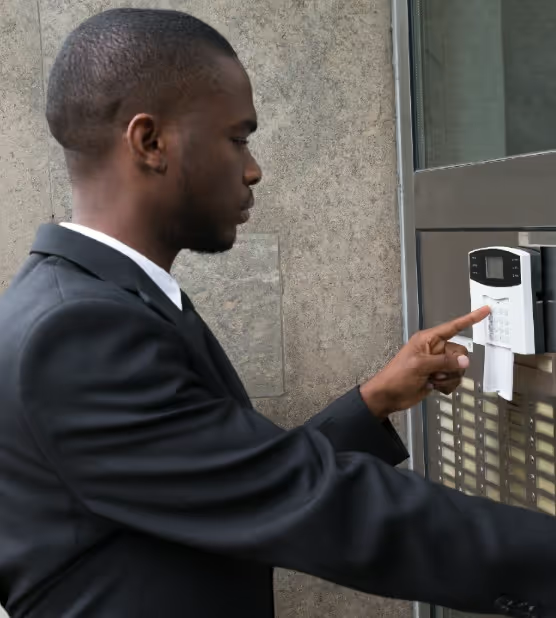
Factors that drive the physical access control market
The physical access control market is rapidly growing due to rising security concerns, regulatory compliance, remote work, and technological advancements. Modern systems now integrate with AI, IoT, mobile devices, and cloud platforms, offering customizable, cost-effective, and scalable solutions. As organizations seek tighter control over both digital and physical spaces, physical access control has become essential for ensuring safety, privacy, and operational efficiency across sectors.
Remote Work Data Protection: Key Challenges and Proven Best Practices
This blog explores the growing importance of data protection in the era of remote work and how organizations can navigate its challenges. It outlines key U.S. data privacy regulations along with the major risks remote work introduces, such as data breaches, cyberattacks, and lack of physical security. Gain practical insights and best practices for securing remote setups through strong policies, employee training, and robust cybersecurity measures.
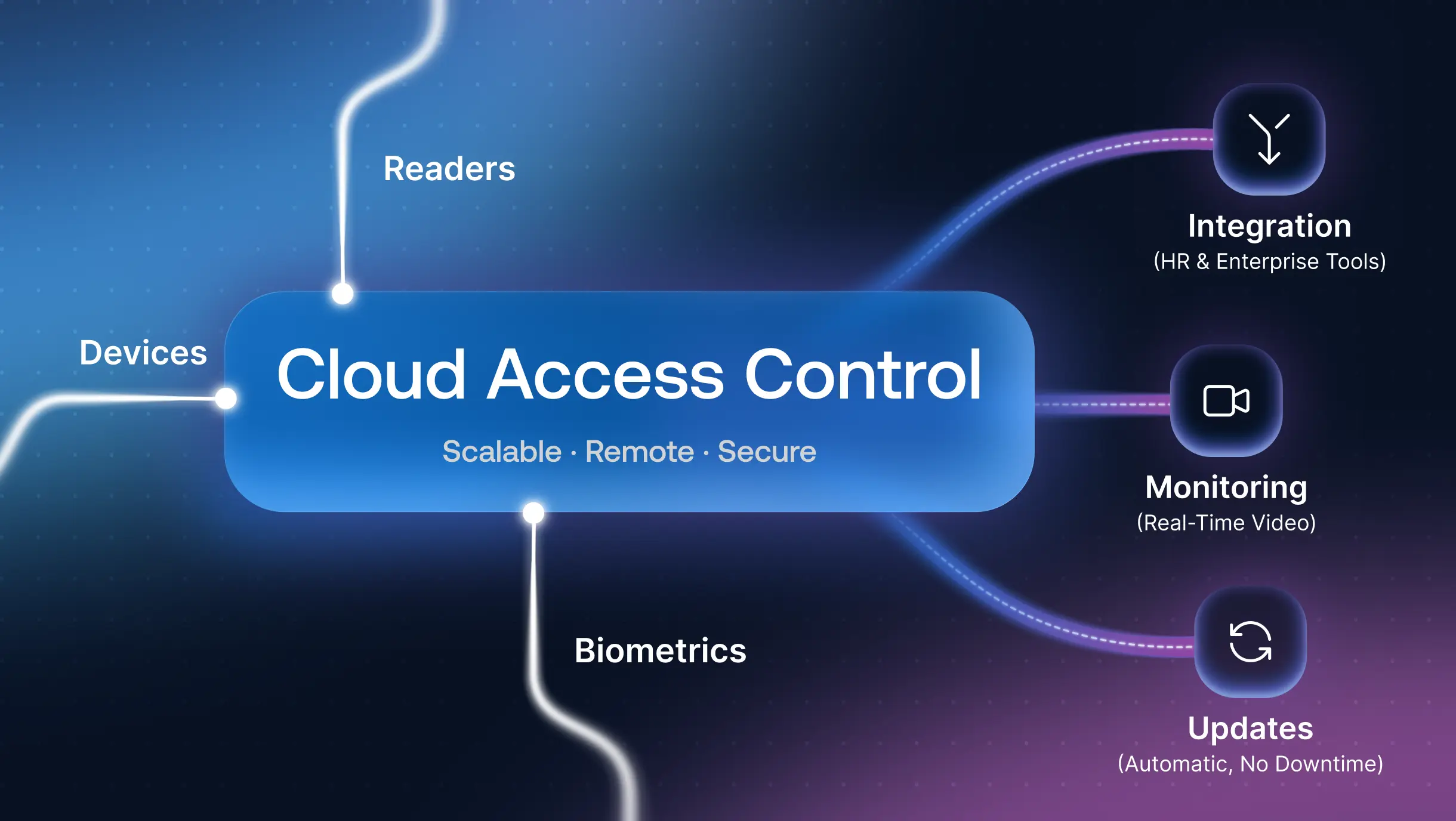
What are the benefits of cloud-based access control?
Cloud-based access control systems offer a secure, flexible, and cost-effective way to manage physical access across locations. Unlike traditional systems, they require no on-site servers or heavy IT investment. Businesses can manage user access remotely, receive automatic updates, and integrate with other enterprise tools like HR systems. These systems improve scalability, security, and ease of use—making them ideal for both SMBs and large enterprises. Companies like OLOID provide modern solutions with biometric authentication, encryption, and regulatory compliance.
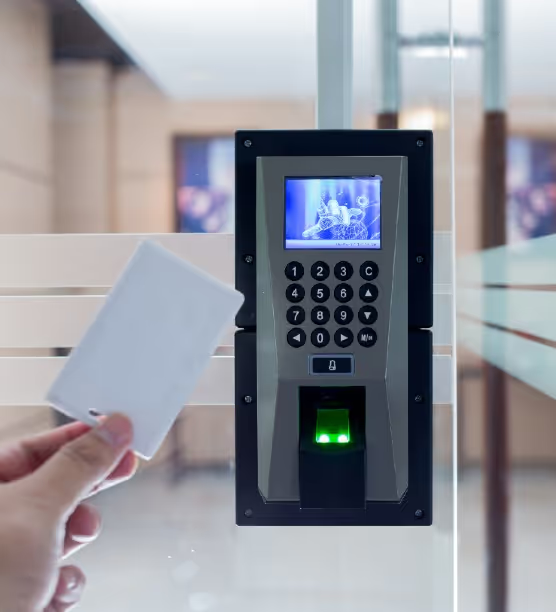
An overview: Cost of installing an access control system
This blog explores the various costs involved in installing an access control system and how those costs differ based on an organization’s size, needs, and level of security. It provides a detailed breakdown of expenses related to hardware, software, installation, and maintenance, while explaining how factors like system type, integration, and customization influence pricing. Gain clear insights into budgeting for access control installation and learn how solutions like Oloid’s retrofit options can help reduce costs.

OLOID Workflows at ISC West: Automate Security & PACS Value
At the recent ISC West event in Las Vegas, OLOID unveiled its newest product, OLOID Workflows. The product is designed to help organizations automate physical security and business operations using no-code/low-code workflows, allowing them to extract more value from their existing Physical Access Control Systems (PACS) and other systems.
SaaS vs SECaaS: Key Differences in Software & Security
This blog explains the key differences between SaaS (Software-as-a-Service) and SECaaS (Security-as-a-Service), two popular cloud-based services that businesses use for software and security needs. Learn how SaaS focuses on delivering software applications for operations and efficiency, while SECaaS delivers security solutions to protect businesses from digital threats.
How to Create an Effective Physical Access Control Policy (Best Practices)
A physical access control policy defines how access to buildings, rooms, and sensitive areas is authorized, monitored, and enforced within an organization. In this blog, you will learn the importance of having a well-defined policy, its core elements such as roles, permissions, and authentication methods, and practical tips to manage physical access efficiently. The article also covers best practices to strengthen security, reduce unauthorized entry, and maintain compliance across facilities.

Security challenges and predictions for 2026
The blog explains how cyber threats are rapidly evolving, highlighting rising ransomware, supply chain and phishing attacks, growing risks from AI‑driven threats, and insecure IoT devices, while also discussing both the promise and privacy challenges of biometric authentication and physical access control, and urging organizations to adopt strong, proactive cybersecurity measures.

Why Cybersecurity Is Now a Top Priority for Everyone
The ever-evolving landscape of cyber threats is becoming increasingly challenging, particularly for businesses trying to remain competitive in today’s economy. Cyberattacks come in a variety of forms, ranging from basic malware to sophisticated, targeted attacks. This heightened complexity can have serious consequences for both organizations and individuals alike.
10 Types of physical access control systems
This post provides a comprehensive overview of the top ten types of physical access control systems used to secure buildings and sensitive areas, highlighting their key features and benefits. It will explain how these systems work, their customization potential, and their roles in safeguarding assets across various industries.

Top 15 access control trends to watch out for in 2023
As we continue to move towards a more connected and technologically advanced world, access control systems are evolving at a rapid pace to keep up with the changing security landscape. From biometric authentication to cloud-based solutions, the access control industry is constantly innovating and adapting to meet the needs of businesses and organizations. There are […]

The complete guide to keyless door systems for homes and businesses
In today's world, security is a top priority for both residential and commercial properties. Traditional lock and key systems have been the norm for centuries, but they can be inconvenient and sometimes less secure. With advancements in technology, keyless door systems have become a popular and effective solution for securing homes and businesses.
Physical Security vs Cybersecurity: Key Strategy Differences
This post explores the differences between physical security and cybersecurity, highlighting how both are essential for protecting an organization’s assets. It outlines the unique strategies, challenges, and execution methods for each, while emphasizing the need for integrated approaches as threats become increasingly interconnected. Gain insights into how converging physical and digital security systems can improve identity management, threat detection, access control, and overall workplace safety.
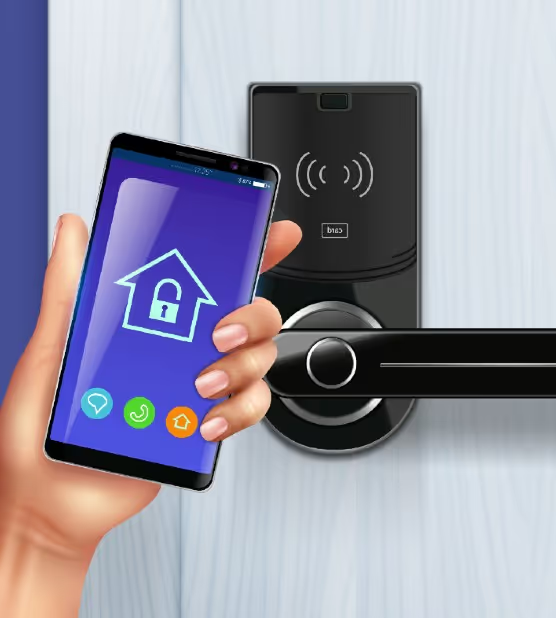
Smart Lock vs Electronic Lock: Key Differences Explained
A smart lock is a keyless lock that gives you control of access to your property via a smartphone app. You can lock or unlock the door, receive notifications when the door is accessed, and manage guest access for added security.
Retrofit vs Replace: Best Approach for Access Control Systems
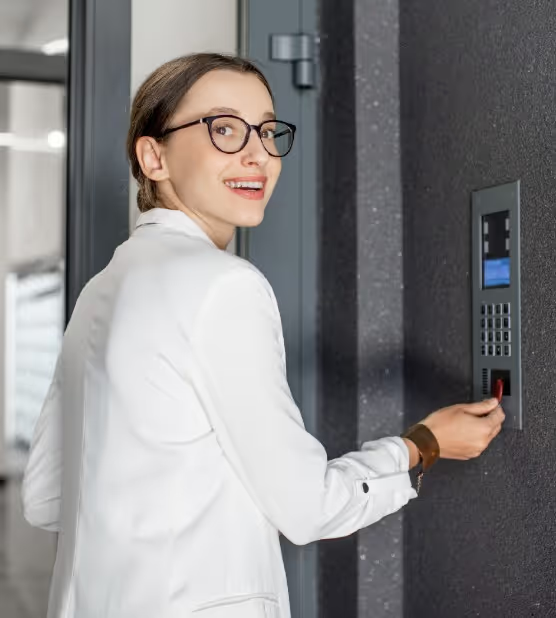
This article explores the decision between retrofitting or replacing access control systems, helping organizations choose the best approach for their security needs. Learn about the advantages and disadvantages of both strategies, including cost, convenience, and when each option makes sense. The post provides practical guidance and key considerations for evaluating current systems and planning future upgrades.

Decoding GDPR and its role in access management
This blog explores the General Data Protection Regulation (GDPR) and its significance in data protection and access management. It explains key GDPR features like data minimization, access control, and identity governance while detailing their impact on organizational data security and compliance. Learn how implementing strong access management systems ensures GDPR adherence, reduces breach risks, and enhances privacy protection.
OLOID completes SOC 2 Type II certification
OLOID has successfully achieved SOC 2 Type II certification, affirming its commitment to the highest standards of data security and privacy. The certification process, conducted by independent auditors, tested OLOID’s controls over an extended period to validate their effectiveness across security, availability, confidentiality, and integrity. Learn what SOC 2 Type II certification entails, how OLOID met these rigorous standards, and why this milestone strengthens trust with its customers.
7 Steps to ensure data protection and privacy of your employees
This blog explores the essential steps employers must take to protect the data and privacy of their employees, especially in an era of remote work and rising cyber threats. It outlines seven practical strategies, including securing IT systems, using VPNs, protecting home networks, and implementing robust authorization measures. Learn actionable methods to create stronger data policies, safeguard sensitive information, and foster a workplace culture committed to cybersecurity.

How to avoid cybersecurity breaches?
This blog explores the topic of how to avoid cybersecurity breaches in today’s digital world. Learn about the causes behind security breaches, common attack methods like phishing, and the latest cybersecurity trends with supporting statistics. The article provides practical steps and expert tips on protecting sensitive data, strengthening passwords, regular technology audits, training employees, and implementing essential measures like encryption and firewalls to help individuals and organizations stay secure.

What Is Identity and Access Management (IAM)? A Detailed Guide
Struggling with rising cyber threats, password fatigue, and complex access across cloud and legacy systems? This guide breaks down Identity & Access Management (IAM) essentials, benefits, challenges, and best practices to help you secure identities and streamline access with confidence. Discover modern IAM strategies like Zero Trust, passwordless authentication, and governance models to future-proof your security.
5 Years of Game-Changing Access Control Innovations
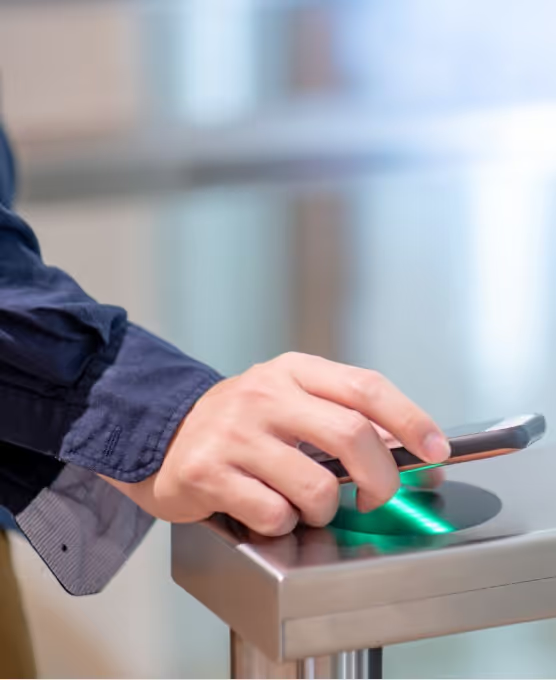
The blog explores how the access control industry has evolved rapidly over the past five years, transforming physical and digital security worldwide. It highlights groundbreaking technologies such as mobile access, cloud-based security, biometrics, AI, and the Internet of Things that are redefining how people manage and experience secure entry. Gain insights into emerging trends, innovations driving the future of security, and how businesses can adapt to a more connected, intelligent access ecosystem.
Can the adoption of digital identity control security breaches?
Driven by decentralization, cloud usage, and remote work, digital transformation and the subsequent evolution of identity in the workplace have revealed that identity and access management has outgrown traditional security measures and offers significant threats. To protect workers and businesses, companies need identity-focused security systems that can quickly and easily adapt to changing threats.

Making every day-in-the-life of frontline workers frictionless & secure!
Get the latest updates! Subscribe now!
