



Compliance & Identity Risk
Articles on navigating security mandates, compliance requirements, and access risk.
Featured
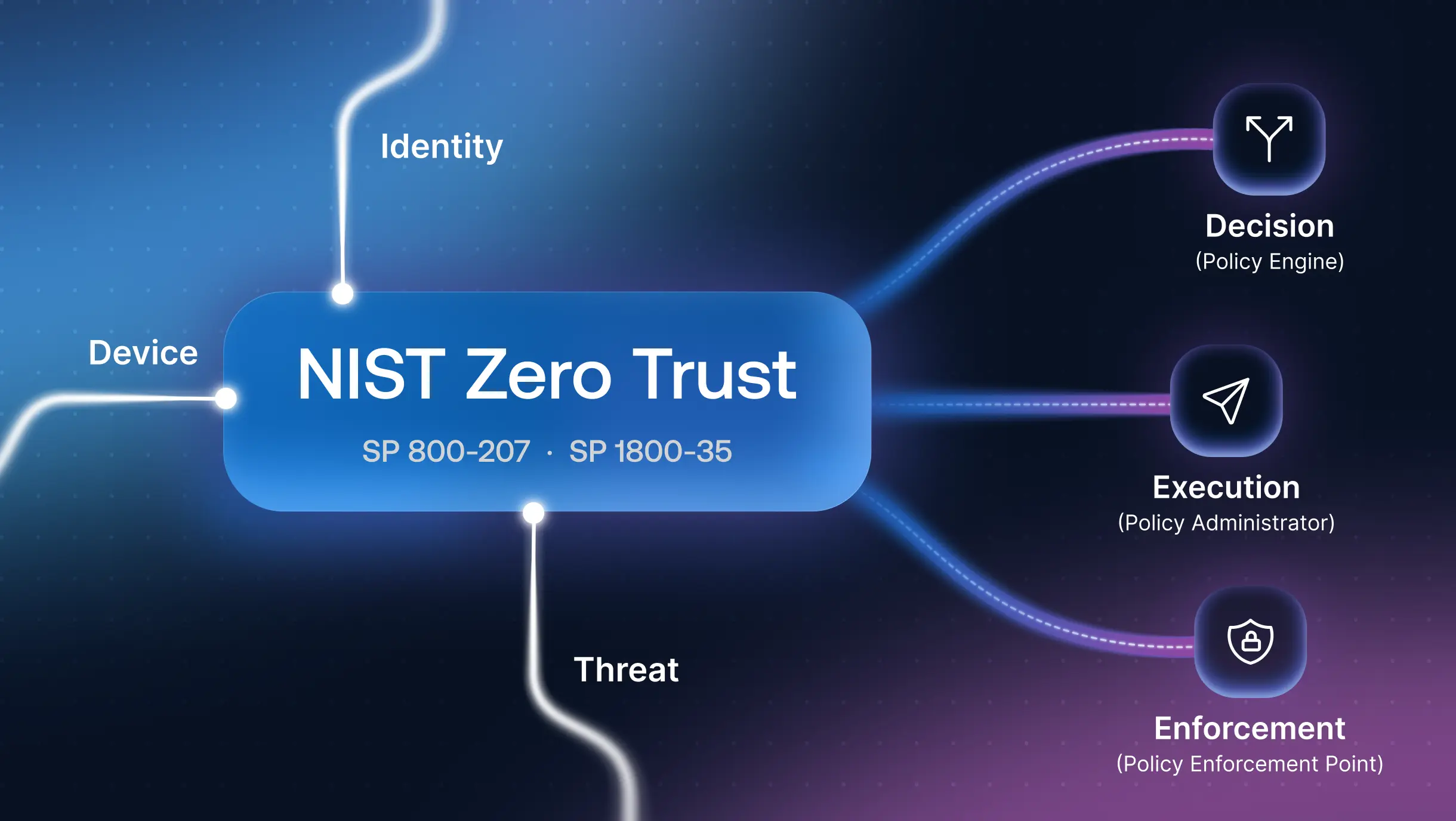
NIST Zero Trust Architecture: A Practical Guide
NIST zero trust architecture is a vendor-neutral security model that evaluates every access request using identity, device posture, and context instead of network location. SP 800-207 defines the model, and SP 1800-35 tests it through 19 implementations built with 24 vendors. This guide explains the reference components, how trust decisions are made, and what NIST's own builds revealed about integration gaps. It also covers the blind spot most programs miss: shared devices and frontline workers, where healthy endpoints can hide unverified users.


What is Credential Harvesting? How It Works and How to Stop It
Credential harvesting is the systematic collection of login credentials at scale, giving attackers authenticated access that bypasses perimeter defenses entirely. Stolen credentials remain one of the most common ways attackers gain initial access to organizations, and the volume of leaked credentials surged significantly in 2025. This guide covers the six methods attackers use, what happens inside a network after credentials are stolen, how credential harvesting creates compliance exposure under HIPAA, SOX, and GDPR, and how organizations close the gaps, including in frontline environments where shared devices compound the risk.
What is Network Segmentation? A Complete Guide
Network segmentation is the practice of dividing a computer network into isolated subnets, each governed by its own security policies, to limit lateral movement and contain breaches. Most organizations treat it as a deployment checkbox rather than an ongoing discipline, which is where implementations degrade. This guide covers how segmentation works technically, why the perimeter trust model failed, how segmentation connects to Zero Trust and identity enforcement, where deployments typically go wrong, and how to implement a segmentation architecture that holds under real attack conditions, including in shared-device and frontline operational environments.
What is Lateral Movement? How Attackers Move Through Your Network Undetected
Lateral movement is the phase of a cyberattack where an adversary navigates from an initial entry point across systems, escalating privileges, and collecting credentials until they reach high-value targets. Most organizations detect lateral movement too late because attackers use valid credentials and native OS tools that generate no unusual signatures. This guide covers how lateral movement works, the specific techniques involved, why shared-device and frontline environments are structurally more exposed, and the identity-first controls that stop it at the source.
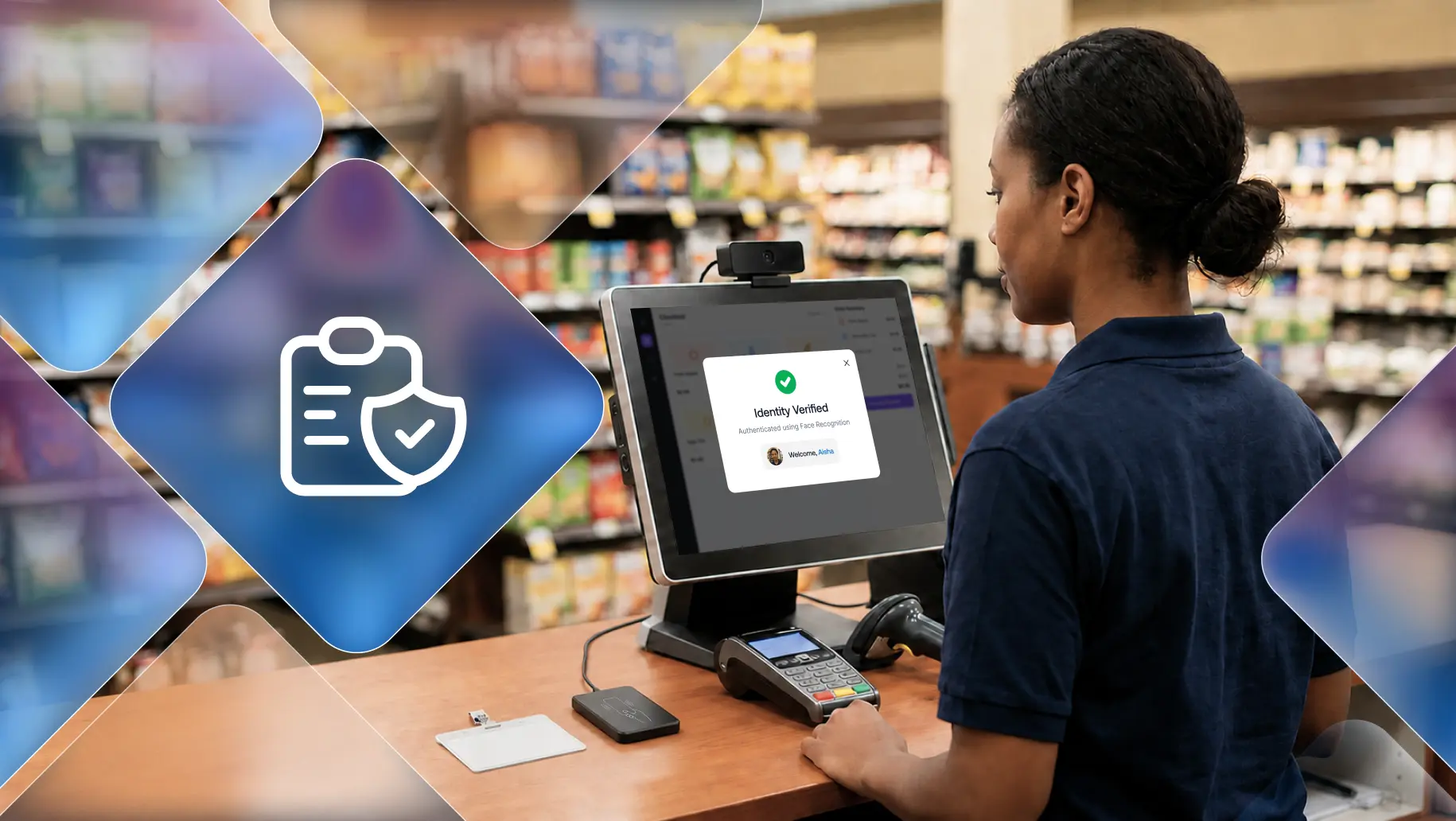
PCI DSS Compliance on Shared Devices: How to Close the Gaps That Fail Audits
PCI DSS is the global security standard that governs how organizations protect payment card data, created by the five major card brands and enforced through contracts with processors and acquiring banks. Most organizations pass their annual audit but fail to remain compliant, with shared logins, control decay, and scope sprawl driving most gaps. This guide covers who must comply, the four compliance levels, the 12 requirements, and what changed in v4.0, including the MFA mandate now covering every user in the cardholder data environment. It also breaks down why compliance breaks fastest on shared frontline devices and how to sustain it year-round.
What is HITRUST? A Complete Guide to Certification, Compliance, and the CSF Framework
HITRUST is the certifiable framework that lets organizations prove information security across 70+ regulatory standards through a single assessment cycle. This guide explains what HITRUST is, how the CSF works, and how the three certification levels map to different risk profiles and organizational maturity. It also covers how HITRUST compares to HIPAA, SOC 2, and ISO 27001, and why "assess once, report many" makes it operationally efficient for multi-framework compliance programs. Organizations in healthcare, manufacturing, logistics, and retail increasingly encounter HITRUST as a vendor qualification requirement in enterprise procurement and third-party risk management. Coverage includes certification costs, timelines, the six-step process, what triggers a corrective action plan, and where HITRUST access control requirements intersect with frontline and shared-device environments.
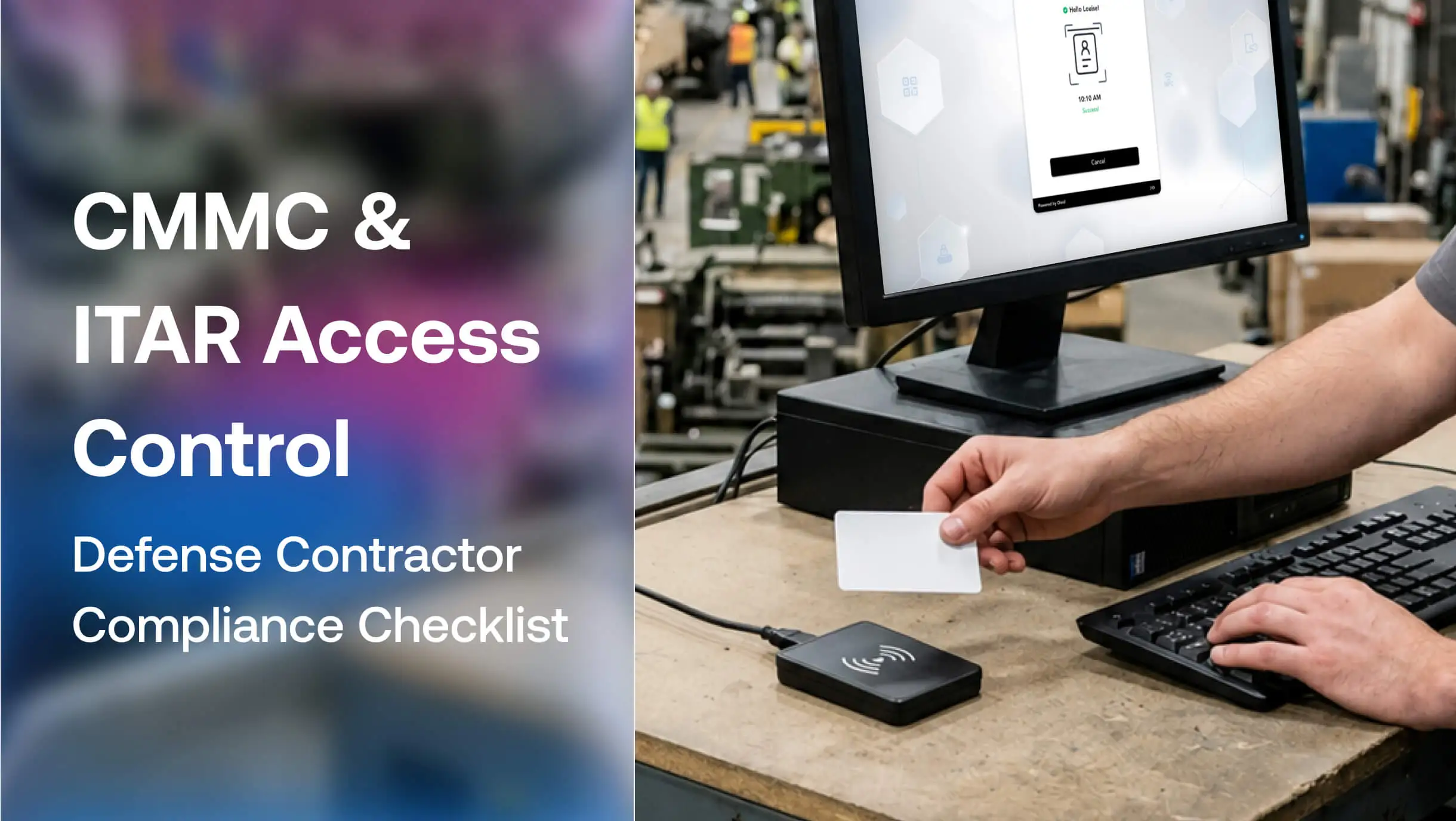
CMMC ITAR Access Control Checklist 2026: A Practical Guide
The CMMC ITAR access control checklist maps the 22 AC domain requirements from CMMC 2.0 and ITAR's identity-based access obligations into a single actionable framework for defense contractors. Most organizations in the Defense Industrial Base underestimate where their access controls break down in practice, particularly on shared production floor terminals, in mixed-nationality workforces, and during high-turnover offboarding cycles. This guide covers what CMMC and ITAR each require for access control, where the two frameworks overlap and where they diverge, what the November 2026 Phase 2 enforcement deadline means for AC domain readiness, and what compliant identity and access management looks like in defense manufacturing and operational environments.
PCI DSS Access Control Checklist 2026: A Practical Guide
The PCI DSS access control checklist governs who can access cardholder data environments, how they authenticate, and how every session gets logged and attributed to an individual. Most organizations underestimate where their access control program breaks down in practice, particularly around shared POS terminals, standing access after termination, and audit trails that collapse when credentials are shared. This guide covers all 12 PCI DSS requirements, explains what PCI DSS 4.0.1 changed for access control, and shows exactly where operational environments in retail, logistics, and manufacturing create persistent compliance gaps that standard checklists never address.
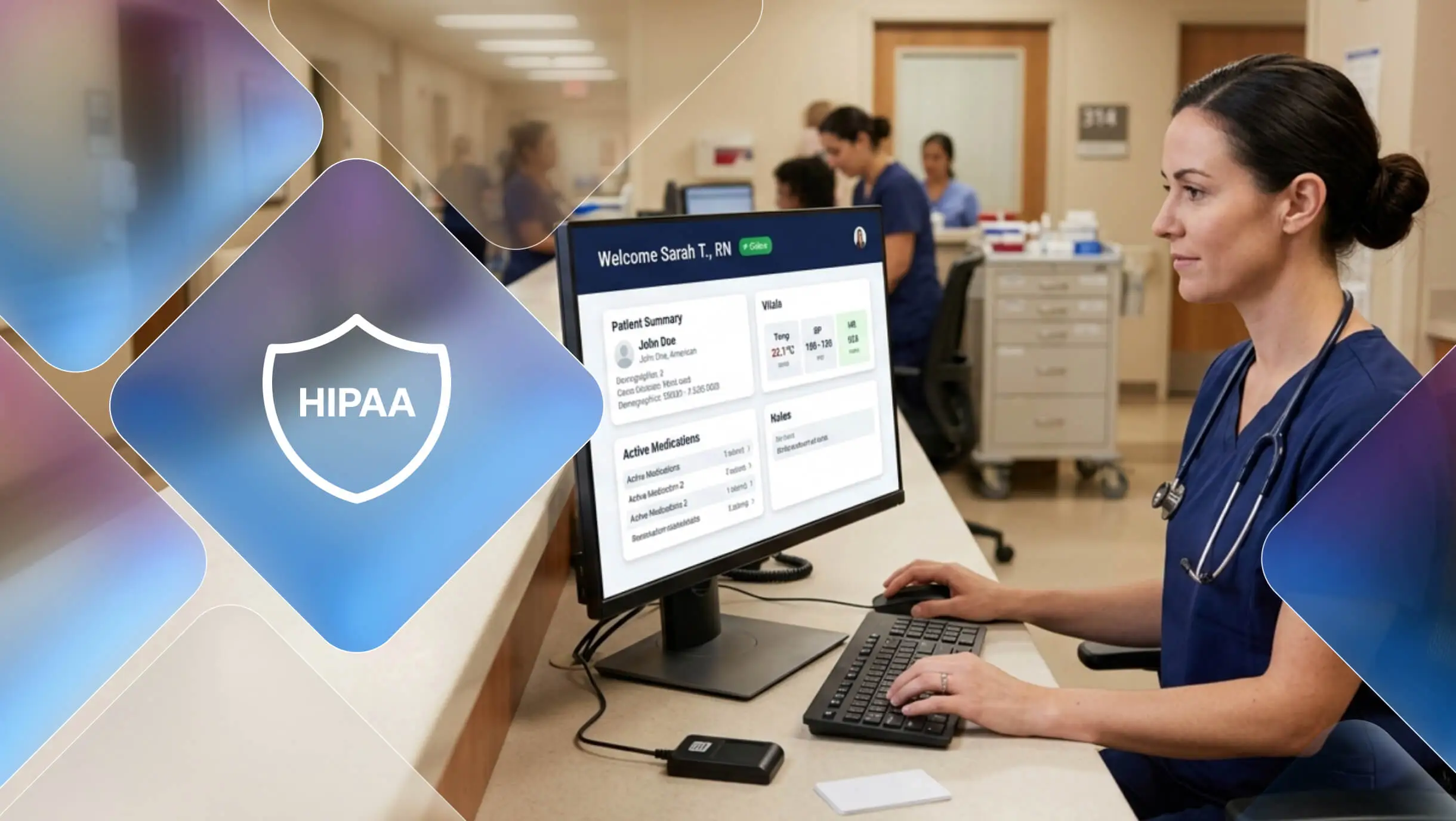
HIPAA Access Control Checklist: A Practical Guide for 2026
The HIPAA access control checklist covers the technical, administrative, and physical safeguards that govern who can access electronic protected health information, under what conditions, and with full audit trail accountability. Most organizations underestimate where their access control program breaks down in practice, particularly around shared devices, over-privileged accounts, and access that outlasts employment or role changes. This guide covers what HIPAA's Security Rule requires for access controls, what real OCR enforcement cases reveal about the most common compliance gaps, and what compliant identity and access management looks like in clinical and frontline environments.
How to Prevent Account Takeover: A Security Team's Guide to Detection and Response
Account takeover fraud is the fastest-growing component of identity fraud, costing businesses $16 billion in 2024 alone. Most organizations already have MFA and WAF rules deployed, but still face incidents because attackers have evolved beyond what those controls were built to stop. This guide covers how account takeover fraud happens today, how to detect it before damage escalates, where existing prevention stacks break down in shared-device and frontline environments, and what a structured response looks like when an attack gets through.
What is SOC 2 Compliance? A Complete Guide for Growing Tech Companies
SOC 2 compliance is the most critical trust signal a technology or cloud service organization can demonstrate to enterprise buyers and security-conscious investors. Most organizations stall between intent and audit readiness, failing to account for realistic timelines, evidence requirements, and shared-device access gaps. This guide covers what SOC 2 compliance means, how the five Trust Service Criteria translate into auditable controls, what auditors actually collect as evidence, and how frontline environments create audit risk that standard IT tooling does not address.
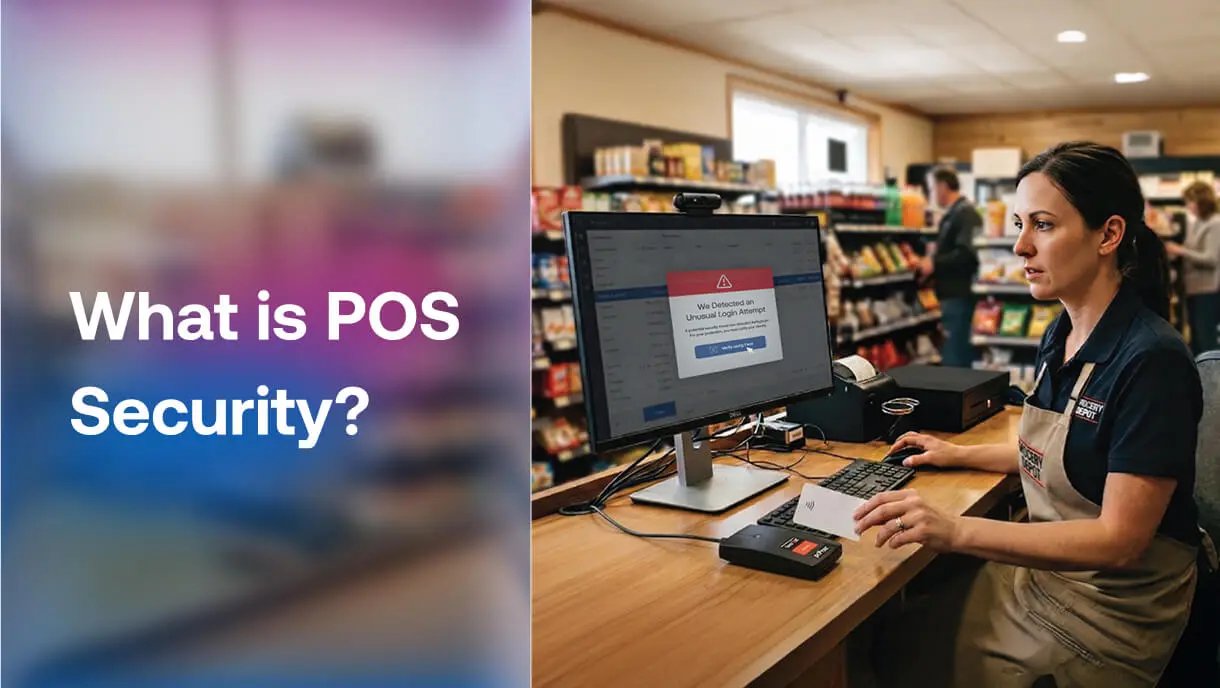
What is POS Security? The Complete Guide for Businesses
POS security protects payment systems from data breaches, malware, and fraud across devices, networks, and users. POS systems are prime targets because they handle sensitive data like card details and transaction histories in real time. Most attacks exploit weak authentication, unpatched systems, or compromised third-party access. Effective security requires layered controls such as encryption, MFA, network segmentation, and strict access control. While PCI DSS sets the baseline, true protection comes from going beyond compliance with stronger access management and continuous monitoring.

Rainbow Table Attacks: What They Are, How They Work, and How to Protect Passwords
Rainbow table attacks use precomputed hash databases to crack passwords rapidly by matching stolen hashes against precalculated values. These lookup tables exploit unsalted password hashes through time-memory tradeoff techniques, avoiding repeated hash calculations. This guide explains how rainbow tables work, why they remain effective, and provides comprehensive defense strategies. You'll discover modern hashing algorithms, salting techniques, and authentication methods that make rainbow table attacks computationally infeasible.


Password Spraying: What It Is, How It Works, and How to Defend Against It
Password spraying is a credential-based attack in which attackers try common passwords across multiple user accounts simultaneously. Unlike brute-force attacks targeting a single account, password spraying distributes attempts to avoid lockout mechanisms. This guide explains how password spraying works, why it succeeds, and provides detection strategies. You'll discover best practices for prevention, including multi-factor authentication, risk-based policies, and passwordless alternatives, eliminating password vulnerabilities.

2FA Bypass: How Attackers Break Two-Factor Authentication (And How to Prevent It)
Two-factor authentication adds an extra layer of security beyond passwords, but attackers continually develop methods to circumvent these protections. This guide explores standard 2FA bypass techniques, including phishing, SIM swapping, session hijacking, and push notification abuse. Learn why traditional 2FA methods fail and learn modern alternatives and prevention strategies using phishing-resistant authentication, biometrics, and passwordless solutions.

Credential Phishing: How Cybercriminals Steal Login Data and How to Stop Them
Credential phishing represents one of the most prevalent and damaging cyber threats facing organizations today. Attackers use deceptive emails, fake login pages, and social engineering tactics to steal usernames and passwords. This guide explains how credential phishing works, explores common attack variants, and examines advanced techniques that bypass traditional defenses. Learn about business impacts, prevention strategies, and phishing-resistant authentication methods that effectively protect organizations from credential theft.

What Is MFA Fatigue and How to Prevent It: Tips and Strategies
Multi-factor authentication protects accounts by requiring additional verification beyond passwords. MFA Fatigue occurs when attackers exploit authentication systems by bombarding users with repeated push notifications until victims approve fraudulent login attempts. Learn how MFA fatigue attacks work, their devastating impact on organizations, and comprehensive defense strategies to protect against this social engineering threat.

HIPAA-Compliant Authentication: Requirements, Methods, Best Practices & Implementation
HIPAA-compliant authentication ensures secure identity verification before accessing protected health information. This guide explains the technical safeguard requirements and approved authentication methods for the security rule. Learn how to implement HIPAA-compliant authentication methods, best practices, and how modern solutions meet compliance obligations.

Wage Theft vs Time Theft: Understanding the Difference and How to Prevent Both
Wage theft and time theft represent opposing workplace violations that erode trust and productivity. This guide clarifies the distinction between employer-driven wage violations and employee time manipulation. Explore common examples of each, understand their legal and ethical implications, and discover how they damage workplace culture.

How to Achieve DEA EPCS Compliance: Authentication Solutions for Healthcare and Pharmacies
Healthcare providers and pharmacies struggle to meet strict DEA EPCS rules while juggling legacy systems and clunky two-factor logins. Secure, passwordless authentication with advanced biometric identity proofing, digital signatures, and automated audit trails solves these challenges, protecting patients, ensuring compliance, boosting workflow efficiency, and cutting IT costs while integrating seamlessly with existing EHRs.
SOC 2 Compliance with Face Recognition Vaults: A Guide for Security Leaders
Security leaders often discover too late that their face recognition vendor's SOC 2 certification doesn't explicitly cover biometric data handling, creating permanent compliance risks since facial data can't be reset like passwords. This guide provides a practical framework for evaluating true SOC 2 compliance in face recognition vaults, including specific audit scope verification criteria, multi-regulatory alignment strategies (GDPR/HIPAA/BIPA), and proven solutions for deployment challenges across shared devices in manufacturing, healthcare, and retail environments.

MFA Compliance: Key U.S. Requirements & Regulations
Multi-Factor Authentication (MFA) has become a critical security requirement in the U.S. due to rising cyber threats and stricter regulations. It verifies user identity using two or more factors—like passwords, biometrics, or devices. Regulatory frameworks like HIPAA, GLBA, NIST, and PCI DSS encourage or mandate MFA to protect sensitive data. OLOID offers a passwordless, biometric MFA solution tailored for frontline workers, ensuring compliance, ease of use, and strong security. As threats evolve, passwordless and adaptive MFA are shaping the future of secure authentication.


Common Types Of Password Attacks and How to Defend Yourself
Password attacks—like brute-force, phishing, credential stuffing, password spraying, and keylogging—are growing threats that exploit weak, reused, or stolen credentials. Hackers use various techniques to steal login information, often targeting both individuals and businesses. To stay protected, users must adopt strong, unique passwords, enable multi-factor authentication (MFA), avoid phishing traps, and use antivirus software. Real-world breaches (Adobe, Yahoo, Equifax, Microsoft, Roku) highlight the devastating impact of poor password hygiene. Businesses should train employees, enforce strong password policies, and use security tools to monitor suspicious activity and reduce risk.

What Is a Proxy Server? How to Secure Proxy Connections
This blog explains what a proxy server is and why securing proxy connections is vital for online privacy and safety. Discover the different types of proxy servers, their benefits for security and performance, and essential best practices for minimizing risks. Gain practical guidance for choosing and configuring proxy servers to enhance security, privacy, and network efficiency.
What Are the Common Data Governance Mistakes & How to Fix Them
This blog post discusses the most common mistakes organizations make when implementing data governance and why addressing these pitfalls is critical for business success. Learn about nine specific challenges, such as lack of strategy, poor data quality management, and inadequate executive support, along with practical solutions to avoid these errors. By following the guidance provided, organizations can strengthen their governance frameworks, boost compliance, and unlock greater value from their data assets.

What is Cyber Insurance? 10 Things You Must Know About It
This blog explains what cyber insurance is—a specialized coverage designed to protect organizations from financial and reputational damage caused by cyber incidents. Discover the key benefits of cyber insurance, such as financial protection, coverage for various types of attacks, and incentives for adopting better cybersecurity. learn what to consider before choosing a policy, with practical guidance to help businesses select and get the most out of their cyber insurance coverage.

Everything you must know about cloud encryption
This blog explains cloud encryption, focusing on its critical role in protecting company data stored in the cloud. Learn why encryption is essential for maintaining compliance, privacy, and security, and discover its benefits and challenges when handling sensitive cloud data. The article also offers key best practices for implementing robust cloud encryption strategies to safeguard business information in today's digital landscape.

Employee Data Protection 101: How to Keep Information Secure
Protecting employee data is essential for maintaining trust, avoiding legal trouble, and preventing costly breaches. This blog breaks down what data protection means, key laws like GDPR and CCPA, the role of a Data Protection Officer, and actionable best practices for businesses to keep employee information secure.

What is Operational Security?
Operational Security (OPSEC) protects sensitive information by thinking like a hacker to find and fix vulnerabilities. It involves identifying critical data, assessing threats, analyzing weaknesses, and implementing countermeasures. Originally used in the military, OPSEC is now essential in business to prevent data breaches, legal issues, and financial loss. Best practices include restricting access, automating tasks, conducting audits, and training employees. Tools like OLOID offer modern, mobile-friendly access control to support strong operational security.

What are the top 5 challenges faced by corporate security teams
Corporate security teams face growing challenges as technology evolves and threats become more complex. Key issues include lack of awareness, training, resources, clear policies, and internal communication. These gaps can lead to ineffective threat response and increased vulnerability. To stay ahead, companies must invest in employee training, scalable security solutions, and updated protocols. Integrating compliance, technology, and communication strategies is essential for building a resilient and secure organization.

Remote Work Data Protection: Key Challenges and Proven Best Practices
This blog explores the growing importance of data protection in the era of remote work and how organizations can navigate its challenges. It outlines key U.S. data privacy regulations along with the major risks remote work introduces, such as data breaches, cyberattacks, and lack of physical security. Gain practical insights and best practices for securing remote setups through strong policies, employee training, and robust cybersecurity measures.

Making every day-in-the-life of frontline workers frictionless & secure!
Get the latest updates! Subscribe now!
