




How to avoid cybersecurity breaches?
This blog explores the topic of how to avoid cybersecurity breaches in today’s digital world. Learn about the causes behind security breaches, common attack methods like phishing, and the latest cybersecurity trends with supporting statistics. The article provides practical steps and expert tips on protecting sensitive data, strengthening passwords, regular technology audits, training employees, and implementing essential measures like encryption and firewalls to help individuals and organizations stay secure.

Information and communications technology is an integral part of our lives. Without these advanced systems, it would be difficult for governments, businesses, and individuals to function properly in this digital age. However valuable as they may be, these technologies are also vulnerable to security breaches that could result in the loss of private information or financially damaging issues. This article will explain what a cyber security breach is, why they occur and provide tips on how to prevent them.
What are cybersecurity breaches?
A cybersecurity breach usually happens when hackers or malicious computer programs infiltrate computer networks using online methods such as phishing emails or attacks through unprotected networks. They generally steal sensitive data such as usernames, passwords, and financial information which can be used for identity fraud and other malicious activities that include espionage activities targeting governments or companies with sensitive and confidential data stored on their servers.
StatsSpeak: Cybersecurity Breaches Continue Rising in 2025
The financial and operational impact of cybersecurity breaches has reached new heights. According to the IBM Cost of a Data Breach Report 2025, the global average cost of a data breach stands at $4.44 million, marking the first decline in five years due to faster detection through AI-powered security tools. However, U.S. organizations face a record-breaking $10.22 million per incident.
Key 2025 Statistics:
- Phishing is the most common attack vector, accounting for 16% of all data breaches.
- 88% of breaches involve stolen credentials.
- 60% of breaches involve a human element such as social engineering or insider threats.
- 75% of system-intrusion breaches are linked to ransomware.
- Third-party involvement in breaches has doubled compared to the previous year.
- Average time to identify and contain a breach: 241 days—a nine-year low.
- According to the Huntress 2025 report, 95% of all data breaches can be attributed to human error.
Table 1: Cost of Cybersecurity Breaches by Category (2025)
Source: Data Breach Report 2025 and Mayer Brown 2025
Table 2 : Root Causes of Data Breaches (2025)
Source: Data Breach Report 2025
Table 3 : Attack Vectors and Breach Statistics (2025)
Source: Data Breach Report 2025 and Verizon DBIR 2025
These statistics highlight the urgent need for organizations to strengthen authentication methods, implement robust access controls, and address the human factor in cybersecurity.
Why Do Cybersecurity Breaches Happen?
There are many reasons why cybersecurity breaches happen. Some of the most common include:
Weak or stolen passwords
One of the most common ways that cybercriminals gain access to systems is through the use of weak or stolen passwords. According to the Verizon DBIR 2025, 88% of breaches involve stolen credentials. It is essential to use strong, unique passwords for all of your accounts and to change them regularly.
Outdated software
Cybercriminals often exploit vulnerabilities in outdated software to gain access to systems. It is important to keep all of your software up to date to ensure that these vulnerabilities are patched.
Phishing attacks
Phishing attacks involve the use of fake emails or websites to trick people into revealing sensitive information or installing malware. According to IBM's 2025 report, phishing remains the most common initial attack vector, accounting for 16% of all data breaches. It is essential to be cautious when opening emails or clicking on links, especially if they seem suspicious.
Malware
Malware is a type of software that is designed to cause harm to systems. It can be spread through email attachments, downloads, or even through the use of infected devices.
Ways to prevent cybersecurity breaches
There are many steps that individuals and organizations can take to prevent cybersecurity breaches. Some of the most effective include:
Creating unbreakable passwords
Want to keep your accounts safe from cybercriminals? Use a combination of uppercase and lowercase letters, numbers, and special characters like *, ! or # in your passwords. This will make it harder for unauthorized access and your company can reduce the risk of security breaches. Remember to never share your passwords with anyone, unless necessary and a password manager can be used if multiple people need access to an account.
Protecting your data with encryption
Encryption makes it hard for anyone without permission to decipher your data. So make sure to encrypt any sensitive information that is transmitted online or stored on computer systems. Use appropriate security protocols like encryption keys or certificates and follow industry rules related to safety standards and data privacy regulations like HIPAA or GDPR. Also, ensure that any third-party service providers you use also employ encryption standards when handling customer/client data.
Empowering your employees with cybersecurity knowledge
Your employees need to stay updated on cybersecurity best practices, such as creating strong passwords, recognizing phishing emails, and identifying suspicious links on web pages. This will help them understand how they can contribute to the overall protection of your business against cyber threats. Supervisors should also provide written policies outlining all steps taken when developing new corporate policies about information security procedures, including email safety.
Perform regular technology audits
Companies should always be on the lookout for potential vulnerabilities in their systems. Regular monitoring and updating of networks can help detect data breaches before they happen. External audits are also a good idea, as they can provide a fresh perspective and give businesses a better understanding of potential weaknesses in their systems. By conducting regular security audits, businesses can quickly address any weak points they discover, and keep their systems secure.
Software update
Software updates not only bring new features but also patch up any existing holes in the system. Organizations should keep all software updated frequently to stay secure from hackers who might exploit outdated systems with outdated security levels. Many updates can be done remotely via web access provided by the vendor with adequate login credentials and authorization, etc.
Use firewall protection
Firewalls act as a barrier between the well-protected parts of a network and the vulnerable parts, ensuring that only authorized data pass through. They also block malicious elements from infiltrating a network. Additionally, firewalls provide additional protection against DDoS (Distributed Denial of Service) attacks, one of the most common types of cyber attacks today. By using firewalls, businesses can protect their networks from unauthorized access, and keep sensitive information secure.To add on, here are a few more tips that individuals and organizations can take:
Use multi-factor authentication: Multi-factor authentication provides an extra layer of security to prevent unauthorized access. It involves using more than one method to verify your identity, such as a password and a fingerprint or a security token.
Limit access to sensitive data: Not everyone in your organization needs access to all of your sensitive data. By limiting access to sensitive data to only those who need it, you can reduce the risk of data breaches.
Backup your data: Backing up your data regularly can help you recover from a cyber attack. In case your data gets compromised, you can simply restore your backup and avoid data loss.
Train your employees: Cybersecurity is not just the responsibility of the IT department; everyone in the organization should be aware of the risks and how to prevent them.
Regular training sessions can help raise awareness and reduce the risk of cyber attacks.In conclusion, cybersecurity breaches can have devastating consequences and it is always better to be safe than sorry. The best way to protect yourself from these malicious attacks is to take pre-emptive measures such as using strong passwords, enabling encryption protocols, installing antivirus software, and keeping network settings secure.
Additionally, be vigilant when visiting websites online; ensure the validity of the sites first before providing any personal or financial information. These measures are essential in protecting yourself as well as your organization against data theft and other undesirable cyber threats.
Advanced Prevention Strategies for 2026
Beyond fundamental security practices, organizations must adopt modern protective measures to defend against today's sophisticated threat landscape.
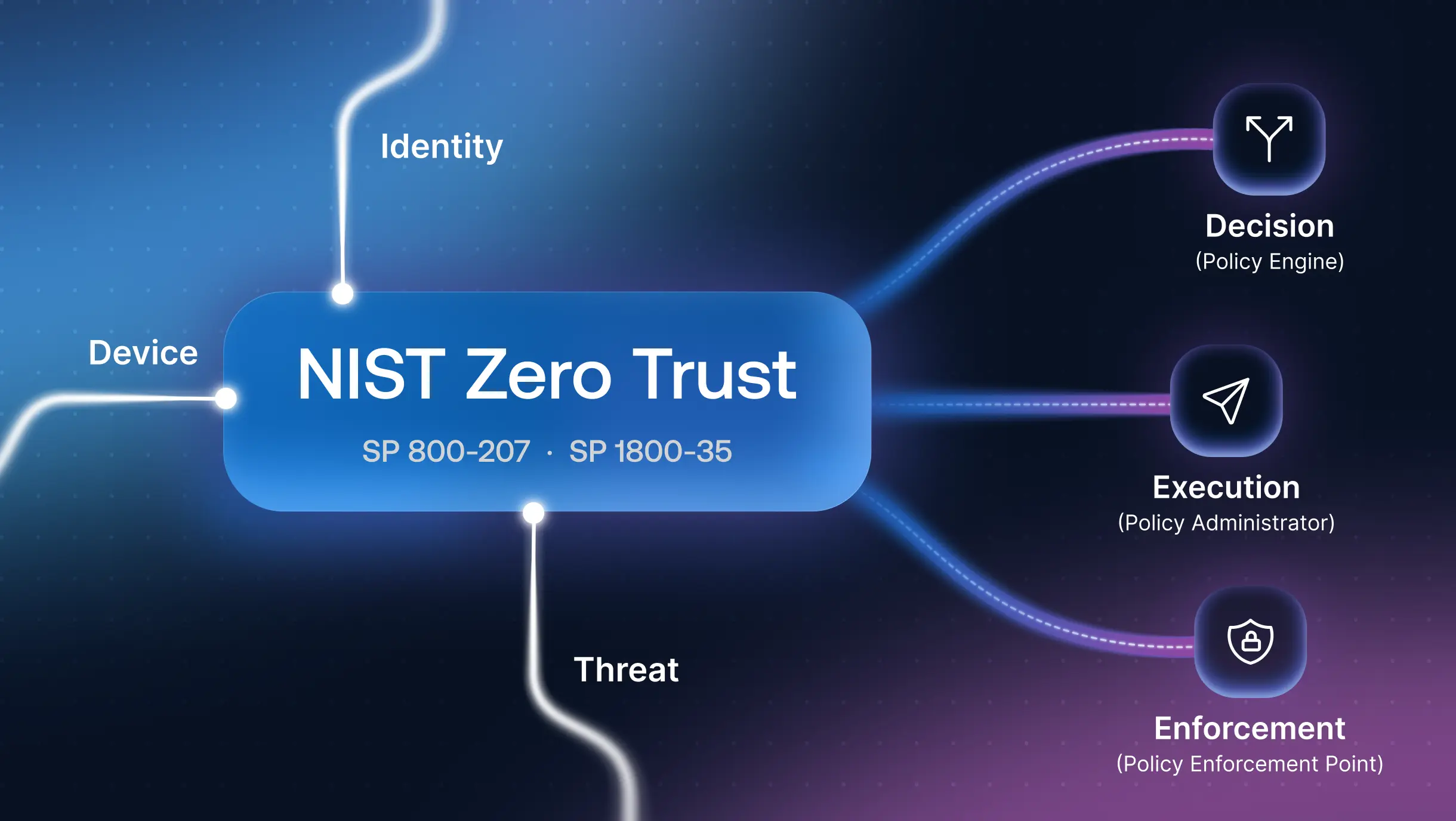
Implement Zero Trust Security: This framework requires continuous verification of every access request, strict identity authentication, network micro-segmentation, and least-privilege access principles. Organizations adopting Zero Trust significantly reduce their attack surface.
Adopt Passwordless Authentication: With 88% of breaches involving stolen credentials, eliminating passwords removes a primary attack vector. Passwordless methods like biometrics and security keys are resistant to phishing and credential stuffing. Solutions like OLOID enable passwordless access through facial recognition and QR codes.
Develop an Incident Response Plan: Organizations with tested IR plans contain breaches faster. Effective preparation includes regular breach simulations, clear escalation procedures, tested backup systems, and communication protocols for stakeholders.
Strengthen Third-Party Risk Management: With supply chain breaches doubling and costing $4.91 million on average (Mayer Brown 2025), organizations should conduct vendor security assessments, enforce least-privilege access, and require SBOM documentation.
Deploy AI-Powered Security Tools: Organizations using AI in security saved $1.9 million on average and reduced breach containment time by 80 days (Data Breach Report 2025). AI tools help identify security gaps, detect breaches earlier, and automate threat response, clearly highlighting the role of AI in cybersecurity in preventing and mitigating modern cyber threats.
Establish AI Governance Policies: With 97% of AI-related breaches occurring in organizations lacking proper access controls (Data Breach Report 2025), organizations must create approval processes for AI deployments, conduct regular audits for unsanctioned AI, and implement technical controls for data protection.
Conclusion
Cybersecurity breaches can have devastating consequences, with costs reaching $4.44 million globally and $10.22 million in the United States. With 88% of breaches involving stolen credentials and 60% involving human elements, organizations must prioritize both technological solutions and employee awareness.
Modern threats like AI-powered attacks, supply chain compromises, and shadow AI require modern defenses including Zero Trust architecture, passwordless authentication, and comprehensive AI governance. Taking pre-emptive measures today is essential to protecting your organization against costly cyber threats.



Get the latest updates! Subscribe now!

