




Remote Work Data Protection: Key Challenges and Proven Best Practices
This blog explores the growing importance of data protection in the era of remote work and how organizations can navigate its challenges. It outlines key U.S. data privacy regulations along with the major risks remote work introduces, such as data breaches, cyberattacks, and lack of physical security. Gain practical insights and best practices for securing remote setups through strong policies, employee training, and robust cybersecurity measures.


Remote work has shifted from a temporary solution to a permanent operating model for many organizations. Driven by digital transformation and flexible work expectations, more than 80% of company leaders now plan to work remotely at least part-time, according to Gartner. While this model improves productivity and employee satisfaction, it also expands the digital attack surface. As a result, protecting sensitive data in remote work environments has become a critical security priority.
When employees access corporate systems outside traditional office networks, data becomes more vulnerable to breaches, misuse, and loss. Unsecured personal devices, public Wi-Fi networks, and inconsistent security practices significantly increase the risk of unauthorized access.
Organizations must address these challenges without disrupting daily operations or employee workflows. Failure to do so can lead to regulatory penalties, reputational damage, and business disruption.
This blog highlights significant remote work data protection challenges and best practices, including securing access, protecting sensitive information, and ensuring consistent security across distributed teams within regulatory requirements.
Key Data Protection Regulations Organizations Must Know
Remote work increases the number of data access points and requires organizations to extend compliance controls beyond traditional office networks. The following regulations are especially relevant in remote work scenarios:
- General Data Protection Regulation (GDPR): Applies when remote employees access or process personal data of EU residents. Organizations must ensure secure remote access, data minimization, encryption, and breach notification even when employees work from home.
- California Consumer Privacy Act (CCPA) / California Privacy Rights Act (CPRA): Requires businesses to protect consumer data accessed by remote teams, enforce access controls, and maintain visibility into how personal information is used outside the office.
- Health Insurance Portability and Accountability Act (HIPAA): Healthcare staff working remotely must securely access electronic protected health information (ePHI). Strong authentication, encrypted connections, and strict access monitoring are mandatory.
- Gramm-Leach-Bliley Act (GLBA): Financial institutions must safeguard customer financial data accessed by remote employees by enforcing identity verification, secure endpoints, and controlled remote connections.
- Payment Card Industry Data Security Standard (PCI DSS): Remote access to payment systems must be restricted, monitored, and secured to prevent unauthorized handling of cardholder data.
- Sarbanes-Oxley Act (SOX): Remote access to financial systems must maintain auditability and integrity of financial records, ensuring controls remain effective outside corporate premises.
Top 5 Challenges of Remote Work Data Protection
As organizations embrace remote and hybrid work models, traditional security boundaries continue to disappear. Employees now access corporate data from multiple locations, devices, and networks, making it harder to enforce consistent security controls. These changes introduce new data protection challenges that require deliberate planning and ongoing management.
1. Expanded Attack Surface
Remote employees connect from home networks, personal devices, and external locations, significantly increasing exposure to cyber threats. Each device, application, and network connection becomes a potential entry point for attackers. Implementing cloud-based access control for remote workforce management can help mitigate these risks.
Unlike centralized office environments, remote setups are more complicated to standardize and monitor. This expanded attack surface increases the likelihood of data breaches if not properly secured.
2. Insecure Devices and Networks
Personal laptops, outdated operating systems, and unsecured Wi-Fi networks often lack enterprise-grade security controls. Many home networks are shared with personal devices that may already be compromised. Without endpoint protection, regular patching, and encryption, these environments become easy targets for malware, ransomware, and credential theft. This puts sensitive corporate data at risk even before it reaches secure systems.
3. Identity and Access Management Gaps
Weak authentication methods and excessive access privileges create significant security vulnerabilities in remote work environments. Employees may reuse passwords across systems or retain access rights they no longer need. Without strong identity verification and least-privilege access, compromised credentials can be exploited to move laterally across systems. This makes identity security a critical component of remote data protection.
4. Lack of User Awareness
Employees working remotely may be less vigilant about security best practices without direct oversight. Phishing emails, malicious links, and unsafe downloads become harder to detect outside controlled office environments. Human error remains one of the leading causes of data breaches, especially in distributed teams. Without regular training and awareness programs, even well-designed security controls can be undermined.
5. Data Visibility and Control Issues
Monitoring data access and movement becomes more complex in remote work scenarios. Organizations may struggle to track who accessed sensitive data, from which device, and when. Limited visibility makes it harder to detect unusual behavior or respond quickly to incidents. This lack of control can also complicate compliance and audit requirements.
Remote work introduces unique data protection challenges that cannot be addressed solely by traditional security models. As attack surfaces expand and visibility decreases, organizations must rethink how they secure data beyond the office perimeter. Addressing these challenges requires a combination of strong policies, modern security technologies, and ongoing employee awareness to ensure data remains protected wherever work happens.
Proven Best Practices for Remote Work Data Protection
Protecting data in remote work environments requires a layered security approach that extends beyond traditional perimeter defenses. Organizations must combine identity controls, endpoint security, encryption, and policy enforcement to reduce risk across distributed teams. These proven best practices help establish consistent protection while enabling employees to work securely from any location.
1. Implement Strong Identity and Access Controls
Identity is the new security perimeter in remote work environments. Enforce multi-factor authentication (MFA) for all remote access to corporate systems, including cloud applications and internal networks.
Apply the principle of least privilege to ensure employees only access the data and systems required for their roles. Regular access reviews and timely revocation of unused or excessive permissions help reduce insider risk and credential-based attacks.
2. Secure Endpoints and Devices
Endpoints are among the most common attack vectors in remote work environments. Require endpoint protection tools, including antivirus software, endpoint detection and response (EDR), device encryption, and automatic patching.
Company-managed devices provide greater control over configurations and updates, reducing exposure to vulnerabilities. When personal devices are allowed, enforce strict bring-your-own-device (BYOD) security standards.
3. Encrypt Data Everywhere
Encryption is essential for protecting sensitive data across remote environments. Encrypt data both at rest on devices and servers, and in transit across networks. This ensures that even if data is intercepted, lost, or stolen, it remains unreadable to unauthorized parties.
Strong encryption also supports compliance with data protection regulations and audit requirements.
4. Use Secure Remote Access Technologies
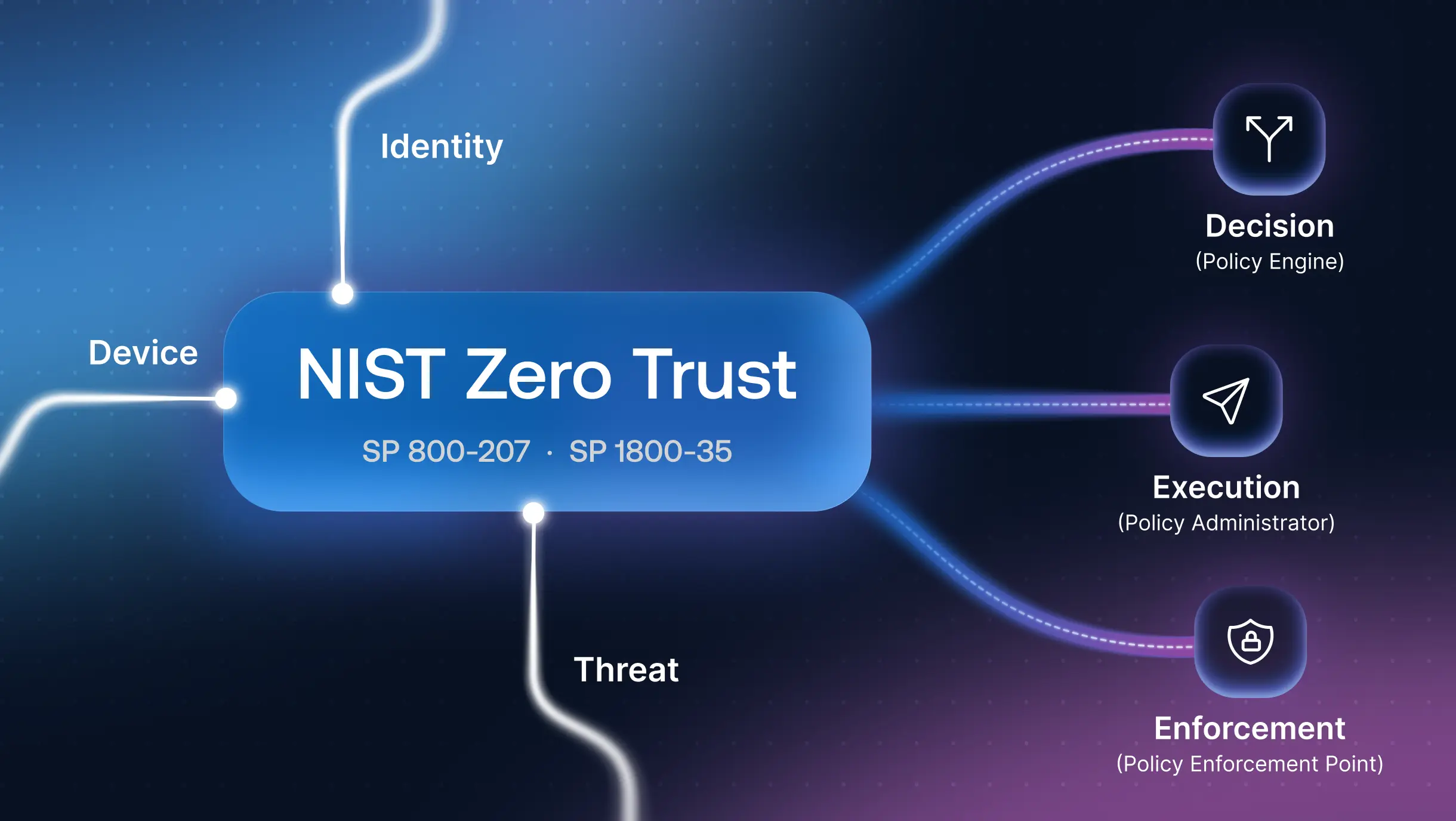
Remote connectivity must be protected with modern access technologies. Deploy secure VPNs or zero-trust network access (ZTNA) solutions to safeguard connections between remote users and internal systems.
Verify user identity, device posture, and contextual factors before granting access. These controls reduce reliance on network location and improve security in distributed environments.
5. Establish Clear Remote Work Policies
Clear policies are critical for consistent security enforcement. Document acceptable use policies, data handling guidelines, and employee security responsibilities for remote work.
Policies should clearly define how data can be accessed, stored, and shared outside the office. Well-defined guidelines reduce confusion, strengthen accountability, and support compliance efforts.
6. Monitor, Log, and Audit Access
Continuous monitoring is essential for detecting and responding to threats in remote environments. Track user access activity across devices, applications, and locations to identify suspicious behavior.
Maintain detailed logs to support security investigations and regulatory audits. Proactive monitoring enables faster incident response and helps prevent data breaches.
7. Conduct Ongoing Security Awareness Training
Employees play a critical role in protecting remote work data. Provide regular training to help them recognize phishing attempts, social engineering attacks, and unsafe practices.
Reinforce secure behaviors such as protecting credentials and handling sensitive data responsibly. Ongoing education reduces human error and strengthens the overall security posture.
The Role of Leadership and Culture in Remote Data Security
Technology alone cannot secure remote work environments without organizational support. Leadership must promote a security-first culture that prioritizes data protection while maintaining productivity and flexibility. When employees understand the purpose behind security controls, adherence improves, and resistance decreases.
Security teams should collaborate closely with IT, HR, and legal departments to ensure policies remain practical, compliant, and aligned with business goals. A coordinated approach enables organizations to adapt to evolving threats, regulatory changes, and workforce dynamics more effectively.
Conclusion
Remote work introduces unique data protection challenges that demand planning and continuous oversight. By understanding regulatory obligations, addressing key risks, and implementing proven best practices, organizations can protect sensitive data without limiting workforce flexibility. A balanced combination of technology, clear policies, leadership support, and employee awareness enables businesses to secure data effectively while supporting a modern, distributed workforce.
FAQs On Remote Work Data Protection
Why is data protection more challenging in remote work environments?
Remote work expands the attack surface by introducing multiple devices, networks, and access points outside the corporate perimeter. This makes it harder to enforce consistent security controls and monitor data access effectively.
What are the biggest data security risks of remote work?
The most common risks include unsecured personal devices, weak authentication, phishing attacks, unsecured Wi-Fi networks, and a lack of visibility into data access and usage across remote locations.
How can organizations secure remote access to corporate systems?
Organizations can secure remote access by implementing multi-factor authentication, using VPNs or zero-trust network access solutions, and enforcing strict identity and access management policies.
Are personal devices safe to use for remote work?
Personal devices can increase security risks if not properly managed. If allowed, organizations should enforce strong BYOD policies, device encryption, endpoint protection, and regular security updates.
How does encryption help protect remote work data?
Encryption protects data by making it unreadable to unauthorized users, even if it is intercepted or stolen. Encrypting data at rest and in transit is critical for safeguarding sensitive information in remote environments.

Get the latest updates! Subscribe now!

