




The complete guide to keyless door systems for homes and businesses
In today's world, security is a top priority for both residential and commercial properties. Traditional lock and key systems have been the norm for centuries, but they can be inconvenient and sometimes less secure. With advancements in technology, keyless door systems have become a popular and effective solution for securing homes and businesses.

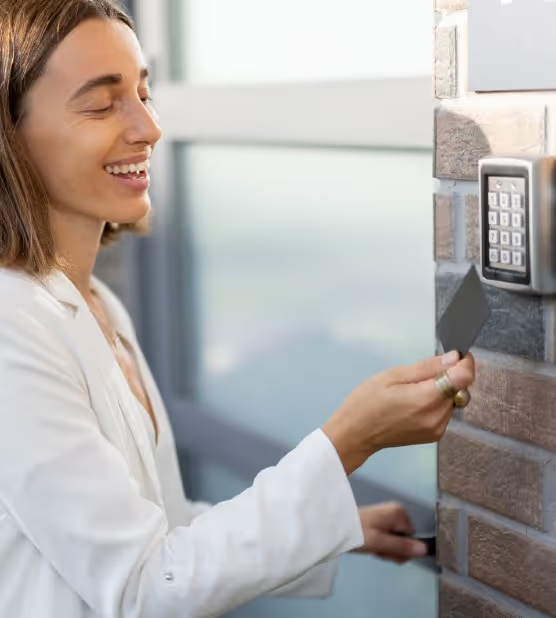
In today's world, security is a top priority for both residential and commercial properties. Traditional lock and key systems have been the norm for centuries, but they can be inconvenient and sometimes less secure. With advancements in technology, keyless door systems have become a popular and effective solution for securing homes and businesses. In fact, the global automotive keyless entry system market is projected to grow from $1,369.6 million in 2021 to $3,061.4 million in 2028 at a CAGR of 12.2%.Keyless door systems offer a range of benefits, from increased security to improved access control, and are available in a variety of types to suit different needs. Let’s discuss keyless door systems in detail with their benefits and challenges, and explore the different types available on the market today.
Types of keyless door systems and how they work
Keyless door systems use a variety of authentication methods to grant access to authorized individuals. Some of the most common methods include keypad systems, card systems, biometric systems, and mobile app systems. Each method has its own set of advantages and disadvantages, and the best one for a particular application will depend on factors such as security requirements, user convenience, and cost.
Keypad systems
Keypad systems require the user to enter a code on a keypad located on or near the door to gain access. The code is preprogrammed into the system and can be changed at any time by the owner. Keypad systems are easy to use and do not require any special equipment or devices, making them a popular choice for residential and small business applications. However, they are vulnerable to code guessing and shoulder surfing, and they do not provide a high level of security.
Card systems
Card systems use RFID technology to grant access to authorized individuals. Users are given a card or key fob that contains a unique code. When the card or fob is presented to the reader located on or near the door, the code is transmitted to the system, and the door is unlocked. Card systems are easy to use and provide a higher level of security than keypad systems. However, they can be vulnerable to card cloning, and lost or stolen cards must be deactivated to prevent unauthorized access.
Biometric systems
Biometric systems use physical characteristics, such as fingerprints, facial recognition, or retinal scans, to grant access to authorized individuals. Biometric systems provide a high level of security and cannot be easily circumvented. However, they can be expensive to install and maintain, and they may not be convenient for users who are uncomfortable with providing biometric information.
Mobile-based systems
Mobile app systems use a smartphone app to grant access to authorized individuals. Users are given a unique code or digital key that is stored on their phone. When the user approaches the door, the system detects the phone's proximity and unlocks the door. These systems represent one category of modern access technology, understanding the difference between smart locks and electronic locks can help you determine which solution best fits your security needs. Mobile app systems are easy to use and provide a high level of security.
However, they may not be convenient for users who do not have smartphones or who do not want to install the app.In addition to the authentication method, keyless door systems also use access control settings to manage who has access to the property and when they are able to enter. Some systems allow access to be granted or denied to specific individuals at specific times, allowing property owners or managers to control who has access to the property and when. This can help to reduce the risk of unauthorized access and improve security.
Benefits of keyless door systems
Keyless door systems have become increasingly popular due to the many benefits they offer, including:
Convenience: With a keyless door system, there is no need to carry a physical key, which can be easily lost or stolen. Instead, users can simply enter a code, use a card, or use a mobile app to gain entry. This makes it more convenient for residents or employees to access the property.
Enhanced security: Traditional keys can be easily duplicated or lost, putting the security of the property at risk. Keyless door systems offer a higher level of security by using advanced authentication methods, such as biometric technology, to ensure that only authorized individuals are able to access the property.
Improved access control: With a keyless door system, access can be granted or denied to specific individuals at specific times. This allows property owners or managers to control who has access to the property and when they are able to enter, reducing the risk of unauthorized access.
Remote access: Some keyless door systems allow for remote access, allowing property owners or managers to grant access to visitors or service providers without having to be physically present at the property.
Customization: Keyless door systems can be customized to suit the specific needs of the property, with a variety of authentication methods, access control settings, and other features available to choose from.
Drawbacks of keyless door systems
While keyless door systems offer numerous benefits, there are also some potential drawbacks to consider:
Dependence on technology: Keyless door systems rely on electronic components to operate, and can be susceptible to malfunctions or power outages. If the system fails, it may be necessary to manually unlock the door, which can be inconvenient and time-consuming.
Vulnerability to hacking: As with any electronic system, keyless door systems can be vulnerable to hacking or other forms of cyberattacks. This can compromise the security of the property and put users at risk.
Initial cost and installation: Keyless door systems can be more expensive to install than traditional lock and key systems, and may require professional installation. Additionally, ongoing maintenance and repairs may also be more costly.
User error: Keyless door systems typically require users to remember a code, carry a card, or use a mobile app to gain access. If the user forgets their code or loses their card or phone, they may be locked out and require assistance to regain access.
How to choose the right keyless door system
Choosing the right keyless door system can be a daunting task, given the variety of options available on the market. However, by considering some key factors, you can narrow down your choices and select the system that is best suited for your needs.
Security: One of the primary considerations when choosing a keyless door system is security. Look for a system that offers a high level of security, such as a biometric system or a card system that uses encryption to prevent cloning. Consider the security features of the system, such as the type of authentication used, the access control settings, and any additional security measures such as anti-tamper alarms or anti-passback features.
User convenience: The keyless door system you choose should be convenient for the users who will be accessing the property. Consider factors such as ease of use, speed of access, and the type of authentication method used. A system that is too complex or difficult to use may discourage users from using it, and a system that is too slow may cause frustration.
Cost: Keyless door systems can vary greatly in price, so consider your budget when choosing a system. Remember to factor in the cost of installation, maintenance, and any additional features you may need, such as remote access or monitoring.
Compatibility: Make sure the keyless door system you choose is compatible with the existing infrastructure of your property. Some systems may require additional wiring or other modifications, so be sure to consider the compatibility of the system with your property.
Scalability: Consider the future growth of your property and how the keyless door system will need to scale with it. Look for a system that is easily expandable and can accommodate additional users or doors as needed.
Manufacturer support: Choose a keyless door system from a manufacturer with a proven track record of reliability and support. Look for a system with a comprehensive warranty and technical support to ensure that any issues can be quickly resolved.Keyless door systems offer a wide range of benefits, including enhanced security, convenience, and flexibility.
With the growing popularity of these systems, it is important to choose the right one for your needs. By considering factors such as security, user convenience, cost, compatibility, scalability, and manufacturer support, you can select the keyless door system that will provide you with the best possible experience.
With the right keyless door system in place, you can enjoy the peace of mind that comes with knowing your property is secure and easily accessible to authorized users.

Get the latest updates! Subscribe now!

