




Can the adoption of digital identity control security breaches?
Driven by decentralization, cloud usage, and remote work, digital transformation and the subsequent evolution of identity in the workplace have revealed that identity and access management has outgrown traditional security measures and offers significant threats. To protect workers and businesses, companies need identity-focused security systems that can quickly and easily adapt to changing threats.

Driven by decentralization, cloud usage, and remote work, digital transformation and the subsequent evolution of identity in the workplace have revealed that identity and access management has outgrown traditional security measures and offers significant threats. To protect workers and businesses, companies need identity-focused security systems that can quickly and easily adapt to changing threats.
The United States has the highest number of data breaches of any country. In 2021, 212.4 million users were impacted compared to 174.4 million in 2020, and the trend is expected to continue. Identity theft is on the rise as a direct result of this, particularly since the COVID-19 outbreak.
Implementing physical network firewalls, email filtering technologies, and access control solutions to limit physical access to company equipment and data centers allowed security teams to secure networks on-premises in the past.
Since the epidemic, however, many businesses have shifted to remote methods of operation, and we have become much more reliant on mobile devices, which cannot be guarded by traditional entry control. Thus, company information is increasingly in danger from identity threats such as credential theft, impersonation assaults, and account breach.
People are understandably wary about adopting digital identities, given the abundance of publicly available information about each of us. However, contrary to popular belief, digital identities may help us keep private information to ourselves and prevent fraud. Customers must feel confident that their data is secure for the service to succeed. How and who manages these online identities will determine the outcome.
What is a Digital Identity?
Data attributes make up a digital identity and can include things like:
- Information on user name, password, contact number, and email address
- Information about the user's search habits and history on the Internet
- Information such as a person's social security number, medical records, and financial transactions
It's the name that a person, group, or piece of technology uses while interacting with other entities in the virtual world. One or more digital identifiers are associated with a digital identity, like an email address, URL, or domain. As a result, users frequently present several different personae in various online spaces.
Why is securing identity important?
70% of businesses have been hit by ransomware, with each victim experiencing an average of two attacks in the past year, and 71% have been victims of a software attack that led to data loss or the compromise of assets, according to research conducted by CyberArk.
Surprisingly, 62% of companies have taken no action to secure their software following an attack, and 64% have admitted that they would be helpless in the face of such an attack.
The integrity of communication between people, organizations, technology, and information is critical to generating value. How can you be sure that every communication within your company is legitimate, that no networks have been breached, and that no sensitive information has been leaked?
Companies have made a swift transition to the cloud, facilitating telecommuting and hastening the uptake of innovative digital services among their customers. The number of digital identities has skyrocketed due to the recent rush of projects, which will continue to increase. You run the danger of losing the trust of your stakeholders if you don't have a firm grasp of digital identity, for both people and linked things, to provide satisfactory answers to these queries.
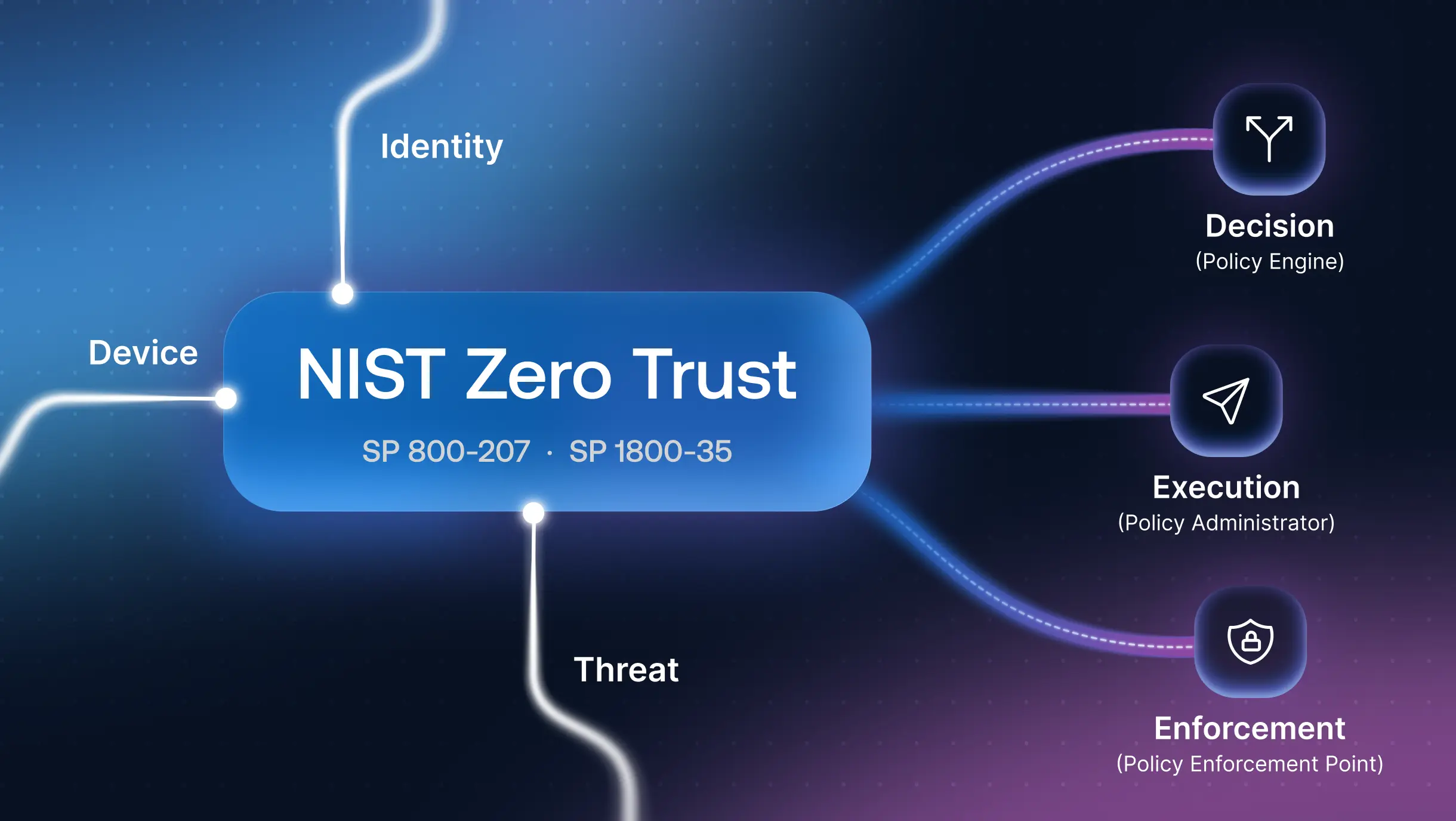
Modern Identity and Access Management solutions facilitate zero-trust security by managing digital identities throughout their lifecycles. The platform assists businesses in improving their ability to control the identities of their employees, customers, and the devices, websites, users, applications, and code that make up their networks and the Internet of Things.
What can be done to prevent cybersecurity risks?
1. Develop strategies for dealing with sensitive user data
Many companies store sensitive data, including their complete names and social security numbers, to keep tabs on who their customers are. However, this is a dangerous move with all the recent data breaches. As an alternative, more secure methods, such as a personal identification number (PIN) for each consumer, should be employed.
If you want access to a person's vast data from several sources, implement a customer identity and access management (CIAM) system. Companies can now provide their customers with safe, hassle-free digital experiences thanks to CIAM, a foundational technology that can handle even the most complicated client demands.
2. Make identity protection measures a top priority
The robustness of your security posture - including knowledge of data locations, access methods, and user permissions - is crucial to the smooth expansion of your business. Having visibility layers and controls that can detect and lock down vulnerable workloads is essential for this goal to be realized. Cybersecurity threats can be mitigated with prompt attention if they are detected early through the use of security programs and monitoring.
3. Assess the state of vulnerability
Future attacks are hard to predict. Every day, new security flaws are found. Maintaining security requires a method for discovering newly discovered flaws in the system. If you want to know where the bad guys can get in before they can, you need to do a vulnerability assessment. A vulnerability assessment is an examination meant to detect and rank security flaws in your network, both on-premises and over the cloud. It can be done sometimes or frequently.(Also Read - How to avoid cybersecurity breaches)
Safeguarding the future
Controlling who or what has access to a protected area or resource is an important part of identity management, physical security, and IT security. Organizations managing employees working remotely can reap several benefits by merging digital and physical identities. Even while the cybersecurity sector has made great strides in providing passwordless technology for cognitive employees, the login experience for mobile workers is still far from seamless. But with the right identity and access control system, a company can facilitate a frictionless experience, stronger security, streamlined operations, and reduced costs.

Get the latest updates! Subscribe now!

