




An overview: Cost of installing an access control system
This blog explores the various costs involved in installing an access control system and how those costs differ based on an organization’s size, needs, and level of security. It provides a detailed breakdown of expenses related to hardware, software, installation, and maintenance, while explaining how factors like system type, integration, and customization influence pricing. Gain clear insights into budgeting for access control installation and learn how solutions like Oloid’s retrofit options can help reduce costs.

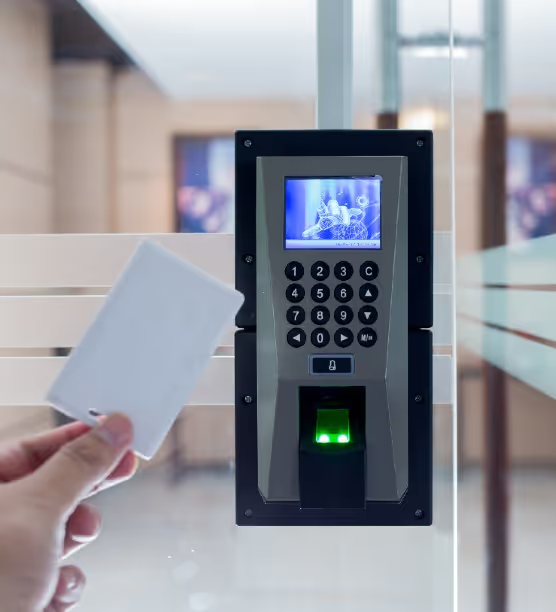
Access control systems have become increasingly popular over the years, as businesses and organizations look to improve their security and restrict access to certain areas. However, different businesses have distinct requirements based on their size, status, and criticality, all of which govern the need for an adequate access control system. For example, a big, multi-location organization has very different security requirements from a small, single-location facility.
In general, the businesses and institutions that seek to deploy an effective access control system include commercial properties, government entities, universities and colleges, banks, healthcare facilities, retail outlets, industrial facilities, warehouses, and even multi-family residential complexes. However, one of the biggest considerations when it comes to installing an access control system is cost, which depends on the purpose, the number of users, and many other factors.
What is an access control system?
Before we dive into the cost of installing an access control system, let's first define what an access control system is. An access control system is a security system that restricts or grants access to certain areas of a building or facility. This can be achieved through a variety of methods, including key cards, biometric identification, or even facial recognition technology.
Factors affecting the cost of access control systems
The cost of installing an access control system can vary depending on a number of different factors. Some of the most significant factors include:
Type of System
There are many different types of access control systems available, and the cost can vary depending on the type of system you choose. For example, a basic key card system will likely be less expensive than a biometric system that uses fingerprint or facial recognition technology.
Size of Facility
The size of your facility will also impact the cost of installing an access control system. A larger facility will require more hardware and installation time, which can increase the overall cost.
Number of Doors
The number of doors that you need to secure will also impact the cost of an access control system. More doors will require more hardware and installation time.
Integration
If you already have other security systems in place, such as CCTV or alarm systems, you may need to integrate your access control system with these existing systems. This can add to the overall cost of the installation.
Customization
If you require a customized access control system, this can also increase the cost. For example, if you need to restrict access to certain areas only during specific times of the day or week, this may require a more complex system that is tailored to your specific needs.Additionally, the access control system’s installers are a significant contributor to the system's costs, which reflect the following:
- Quality of installer and size of the vendor company
- Type and level of insurance needed
- Security and ease of use
- Volume of purchase
- Knowledge of access control systems (ongoing support costs more)
- Purchase urgency (expedited installation costs more)
Cost breakdown of access control systems
The cost of installing an access control system varies with the materials and labor used in the system as well as the level of security needed. Costs also vary with the features offered. For example, the total cost varies depending on whether a single keypad is used at the main entrance or system-wide magnetic locking doors are installed across the facility.
The more complex a system is, the greater the installation and maintenance costs. The use of iris scans alongside more traditional systems, such as card readers and video surveillance for 24/7 monitoring, inevitably increases cost. And the greater the number of locked doors at the facility, the greater the total installation cost of the door access control system. An average door access control system installation costs between $3,045 and $5,006, with each keycard costing an additional $5–10, which doesn't include ongoing maintenance costs.
The cost of an access control system can vary significantly, but here is a general breakdown of the costs you can expect:
Hardware
The hardware required for an access control system includes card readers, electronic locks, and other devices. The cost of this hardware can range from $1,000 to $3,000 per door.
Installation
The cost of installation will depend on the size of your facility and the number of doors that need to be secured. On average, you can expect to pay between $1,000 and $2,500 per door for installation.
Software
Access control systems also require software to manage access and monitor activity. The cost of this software can range from $1,000 to $5,000, depending on the complexity of the system.
Maintenance
It’s important to factor in ongoing maintenance costs when considering the overall cost of an access control system. This can include routine maintenance and repairs, as well as software updates. The cost of maintenance can range from $500 to $1,500 per year, per door
Installation considerations
The more challenging or complex the access control system installation job is, the more the installers will charge for their labor and materials. The following considerations affect the total cost of the installation job:
Number of access points
Installation in multiple access points increases the amount of time required to finish the job, which increases the project's overall cost. However, some access control system installers may discount some of the material used if the project involves retrofitting many doors with access control.
Electrical upgrades
If a business needs to reconfigure and accommodate the existing door access control system installation, the cost of labor and materials increases. Also, the cost increases with the installation of fire/CO detectors, video surveillance systems, burglar alarms, and all related electrical systems.
Automation
When engaging the services of access control system installers, businesses must consider to what extent they require automation. Basic keycard entry systems use logs to lower upfront costs, but this can result in hours spent manually issuing keycards to each authorized individual. Also, the inability to remotely manage the access control dashboard may give rise to additional security risks. Automation saves time and money for those in charge of administering access control systems.
The OLOID advantage
All the factors mentioned above must be considered when estimating the installation cost of a door access control system. This also holds true if you already have an access control system that you want to replace with a modern system. However, with OLOID’s retrofit line of products, you can modernize your existing access control systems without any hardware replacement. There are no costs involved for hardware, rewiring, or installation.

Get the latest updates! Subscribe now!

