




Top 11 Authentication Challenges Frontline Workers Face Using Shared Devices
Frontline workers in manufacturing, retail, healthcare, and other deskless environments often struggle with authentication challenges, including PPE interference, forgotten passwords, limited MFA options, language barriers, and fragmented admin systems. These issues slow down workflows, increase security risks, and reduce accountability on shared devices. OLOID solves these challenges with a frictionless, passwordless authentication approach using facial and palm biometrics, access badges, and passwordless SSO.


Frontline employees using shared devices encounter authentication obstacles that slow operations and compromise security daily. Traditional password systems were never designed for multi-user environments in fast-paced retail, manufacturing, healthcare, and logistics. These outdated login methods create friction that impacts productivity, employee satisfaction, and operational efficiency across organizations.
Workers lose valuable minutes each shift to forgotten passwords, lockouts, and complex verification steps. Authentication delays compound during shift changes when entire teams need simultaneous access to shared terminals and equipment. What should take seconds stretches into minutes, causing bottlenecks that ripple through production schedules and service delivery.
Security teams face an impossible choice between convenience and protection in shared device settings today. Simplified login processes create vulnerabilities, while complex requirements frustrate workers and drive insecure workarounds like written passwords. Organizations need an authentication platform designed for frontline environments rather than poorly adapting office-focused security approaches.
This guide examines the top 10 authentication challenges affecting frontline workers on shared devices. Understanding these obstacles helps organizations implement passwordless authentication systems that protect data while enabling seamless productivity.
1. Password Fatigue and Frequent Lockouts
Frontline workers access multiple shared devices throughout their shifts, often 10 or more per day. Each device may require different password combinations, creating impossible memorization demands for employees managing numerous credentials. Workers lack the traditional password management tools that office employees use, such as browser wallets or USB drives.
Forgotten passwords result in system lockouts that require IT intervention and immediately halt productivity. Password reset requests consume valuable work hours for both employees and support teams daily. The accumulated downtime from authentication failures costs organizations thousands of dollars in lost production time.
2. Slow Login Processes During Shift Changes
Traditional authentication creates severe bottlenecks when large groups need simultaneous device access during transitions. Multiple employees queue at shared terminals, typing lengthy passwords while their shifts officially begin. These delays cascade through operations, significantly reducing actual productive hours across the entire workforce.
Password entry takes significantly longer than necessary, especially with complex character requirements and verification steps. Workers helping teammates troubleshoot login issues further compounds the time loss across operations. Organizations lose thousands of labor hours annually solely to authentication inefficiencies at shift changes.
3. Security Vulnerabilities from Shared Credentials
Many organizations resort to shared passwords across teams, thereby eliminating individual accountability for actions. This practice renders auditing impossible and violates compliance requirements in regulated industries such as healthcare. Security teams cannot detect unauthorized access patterns when multiple employees use identical login credentials.
Shared logins provide no way to enforce user-specific access permissions or track individual activities. Compliance violations expose companies to regulatory penalties and failed audits in industries requiring traceability. The lack of accountability encourages careless behavior since actions cannot be traced to individuals.
4. Poor User Experience with Conventional MFA
Traditional multi-factor authentication adds excessive steps for frontline workers needing rapid device access. SMS codes require workers to carry their own phones, retrieve messages, and manually enter the digits. Hardware tokens get lost, forgotten, or damaged in fast-paced environments where workers move constantly.
Many frontline workplaces prohibit personal mobile devices due to contamination, safety, or productivity concerns. Workers cannot use authenticator apps or receive phone-based verification codes in these restricted environments. The MFA friction frustrates employees and reduces compliance, rendering the security purpose entirely ineffective.
5. High Turnover and Seasonal Workforce Management
Frontline industries experience chronic employee turnover and seasonal staffing fluctuations that create continuous IT burden. Retail experiences 60%+ annual turnover; hospitality and food service even higher. Each new hire requires:
- Manual password setup and reset instructions
- Account provisioning across multiple systems
- Training on authentication procedures
- Offboarding cleanup when workers leave
The Scale Problem: A 200-person manufacturing facility with 40% annual turnover must onboard and offboard 80 workers yearly. At 15 minutes per account setup, that's 20 hours of IT labor per year for one facility alone. Large operations with 10+ facilities face 200+ hours of annual onboarding labor.
Security Risk: Seasonal workers often receive temporary credentials, written passwords, or shared logins—creating accountability gaps and compliance issues during audit and busy periods.
Passwordless Solution: Biometric authentication eliminates password creation, reset, and management entirely. New hires authenticate instantly with facial recognition or badge, with no IT intervention. Off-boarding is automatic—the worker's identity simply stops being recognized.
6. PPE Interference with Authentication Methods
Personal protective equipment, such as gloves, makes it difficult or even impossible for workers to type passwords. In sterile environments, such as pharmaceutical cleanrooms, touching shared surfaces, including keyboards and touchscreens, is prohibited entirely. Masks, face shields, and protective suits interfere with facial recognition and other biometric methods.
Gloves prevent fingerprint scanning and make badge swiping cumbersome during critical production moments, and workers waste time removing and re-donning protective equipment just to properly authenticate into systems. The authentication friction conflicts with safety protocols and slows workflows in controlled manufacturing environments.
7. Lack of Presence Detection and Session Continuity
Shared devices often remain logged in when workers step away, creating security risks. Other employees can access active sessions without proper authorization, compromising data integrity and compliance. Systems lack adequate mechanisms to verify continuous user presence throughout work sessions.
Workers returning from breaks must completely re-authenticate rather than resume their previous sessions. The logout and re-login cycle wastes time and disrupts workflow continuity throughout shifts. Unauthorized access during bathroom or meal breaks creates gaps that make sensitive information vulnerable.
8. Cross-Contamination Risks from Touchscreen Authentication
Touchscreens on shared devices create contamination risks in food processing and healthcare environments. Multiple workers touching the same surfaces throughout shifts can rapidly spread bacteria and pathogens. Sanitizing touchscreens between each user is impractical in fast-paced production environments with tight schedules.
Clean room protocols prohibit touching any surfaces that could compromise product sterility or quality. Authentication methods that require physical contact conflict completely with HACCP requirements and hygiene standards. Organizations struggle to balance security needs with contamination control in regulated manufacturing facilities.
9. Limited Offline Authentication Capabilities
Remote facilities and manufacturing floors often lack reliable internet connectivity for cloud-based authentication. Network outages halt operations entirely when workers cannot verify credentials without online access. Distributed locations need authentication solutions that function consistently regardless of central server connectivity.
IoT devices and edge computing environments require authentication but lack the processing power to support complex methods. Smart sensors and industrial controllers in remote locations cannot support conventional MFA implementations. Organizations need offline-capable authentication that maintains security without requiring constant network connectivity.
10. Language Barriers and Complex Instructions
Diverse frontline workforces include employees with limited proficiency in the primary workplace language. Password requirements and login instructions written in a single language can create confusion for multilingual teams. Complex authentication steps prove difficult to follow when workers cannot understand written directions.
Non-native speakers struggle with password creation rules requiring specific character combinations and formats. Error messages during authentication failures provide no clarity for workers unfamiliar with technical terminology. Language barriers increase daily authentication failures and IT support tickets from confused employees.
11. Integration Issues with Legacy Systems
Older manufacturing equipment and proprietary software are entirely incompatible with modern authentication platforms. Legacy systems require custom integration work that proves technically complex and financially expensive. Organizations cannot deploy unified authentication across all systems because some equipment predates current standards.
Separate authentication flows for different applications force workers to manage multiple credential sets. Inconsistent authentication experiences across legacy and modern systems confuse employees and reduce productivity.
Implementing Passwordless Authentication Requires Planning
While passwordless authentication solves frontline challenges, organizations need strategic planning for successful deployment. Integration with legacy systems, change management, compliance, and cost justification require careful consideration.
For a complete implementation roadmap covering ROI analysis, phased rollout, biometric selection, training, and compliance planning read our post about implementing passwordless authentication.
How OLOID Solves Authentication Challenges for Frontline Workers on Shared Devices
Organizations no longer need to choose between security and operational efficiency for their frontline teams. OLOID is a comprehensive passwordless authentication platform designed to eliminate the authentication challenges workers face on shared devices.
The platform delivers frictionless biometric authentication via facial recognition, palm scanning, and badge readers that work seamlessly together. OLOID supports unlimited users per shared device while maintaining individual accountability and complete audit trails.
Key Benefits of OLOID's Passwordless Platform:
- Instant authentication using facial recognition, NFC badges, palm scans, or QR codes without passwords.
- PPE-compatible biometrics that work with gloves, masks, and protective equipment in any environment.
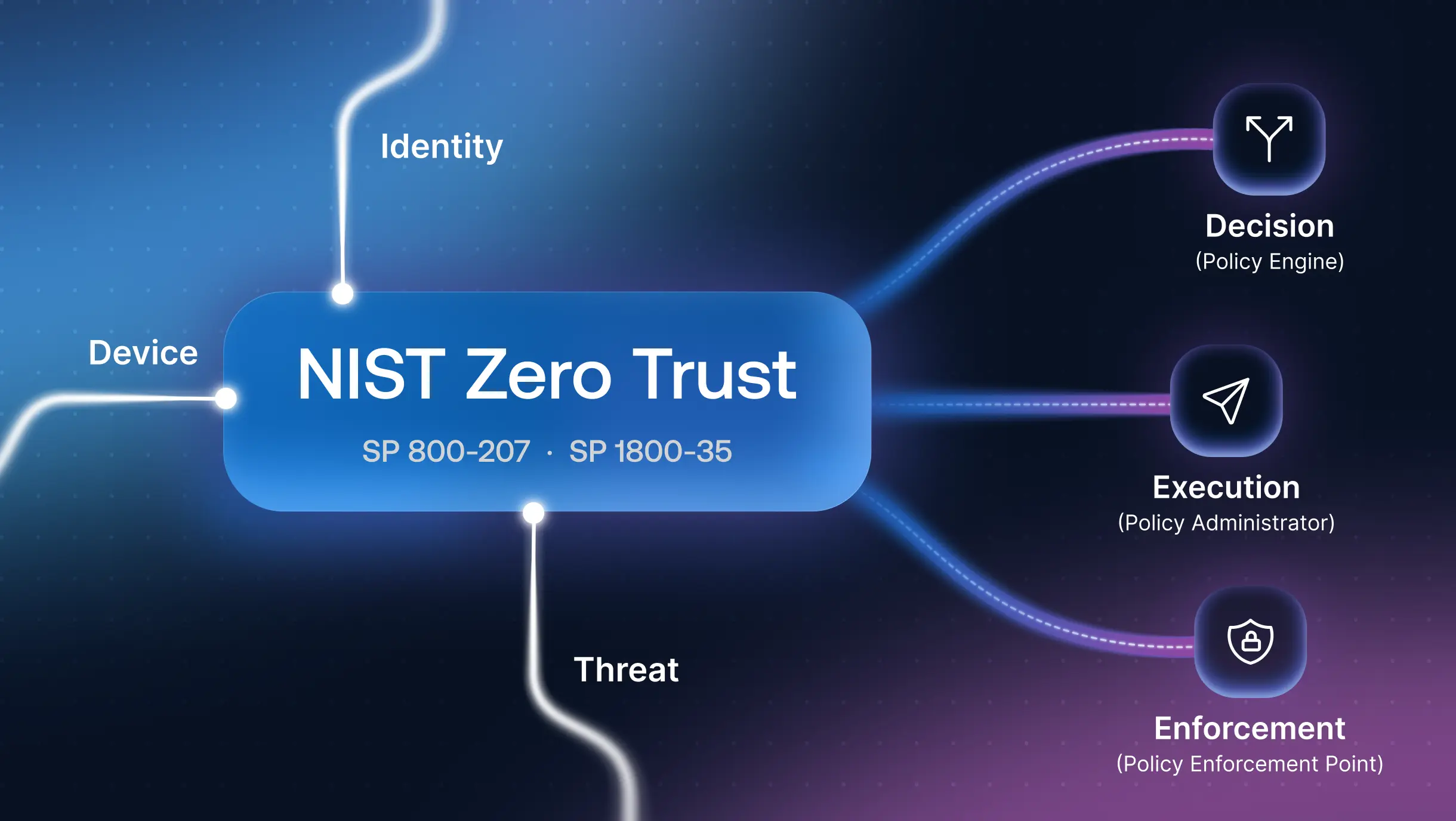
- Phishing-resistant MFA combining facial identity with badge credentials for Zero Trust security compliance.
- Individual accountability tracking exactly who accessed which systems at specific times on shared devices.
- Passwordless SSO enables one-time authentication for seamless, instant access to all business applications.
- Reduction in password-related IT support tickets within the first quarter of deployment.
- Native integration with existing SSO providers, HRIS systems, and identity platforms without infrastructure replacement.
- Offline capability ensures authentication works in remote facilities and areas with limited connectivity.
If your frontline workers face authentication challenges on shared devices, OLOID delivers the solution. Book a demo to discover how leading organizations have transformed their authentication experience using passwordless authentication.
Frequently Asked Questions
1. Why is traditional password-based authentication problematic for frontline workers on shared devices?
Frontline workers access multiple shared devices throughout their shifts, often 10 or more per day. Each device may require different password combinations, creating impossible memorization demands for employees without password management tools. Forgotten passwords lead to lockouts that halt productivity and require immediate IT intervention. Additionally, many frontline environments prohibit the use of personal devices needed for password managers or MFA apps entirely.
2. What security risks do shared credentials create in frontline work environments?
Shared passwords eliminate individual accountability, making it impossible to track who accessed what systems at specific times. This practice violates compliance requirements in regulated industries such as healthcare, pharmaceuticals, and finance. Security teams cannot detect unauthorized access patterns or insider threats when multiple employees use identical credentials. Shared logins also prevent the enforcement of user-specific access permissions and create audit trail gaps during investigations.
3. How does PPE interfere with authentication methods for frontline workers?
Personal protective equipment, such as gloves, makes typing passwords difficult or even impossible in many environments. Sterile cleanrooms prohibit touching shared surfaces such as keyboards and touchscreens to prevent contamination. Masks and face shields can interfere with facial recognition systems not designed for PPE environments. Workers waste valuable time removing and re-donning protective equipment just to authenticate, disrupting workflows and safety protocols.
4. What authentication challenges occur during shift changes in high-volume operations?
Shift changes create severe bottlenecks when large groups need simultaneous access to shared terminals and equipment. Multiple employees queue at workstations, typing lengthy passwords while their shifts officially begin without them. These delays cascade through operations, reducing actual productive hours and significantly impacting production schedules. Traditional authentication methods cannot efficiently scale to handle concurrent access demands during transitions.
5. Can frontline workers use multi-factor authentication without personal mobile devices?
Yes, modern authentication platforms offer MFA methods that don't require personal smartphones or mobile devices. Biometric factors such as facial recognition, fingerprint scanning, and palm vein technology provide instant, secure verification. Physical credentials such as RFID badges, NFC cards, and hardware security keys offer portable authentication. These phone-independent methods maintain security compliance while accommodating workplace policies that prohibit the use of personal devices.

Get the latest updates! Subscribe now!

