



Compliance & Identity Risk
Articles on navigating security mandates, compliance requirements, and access risk.
Featured
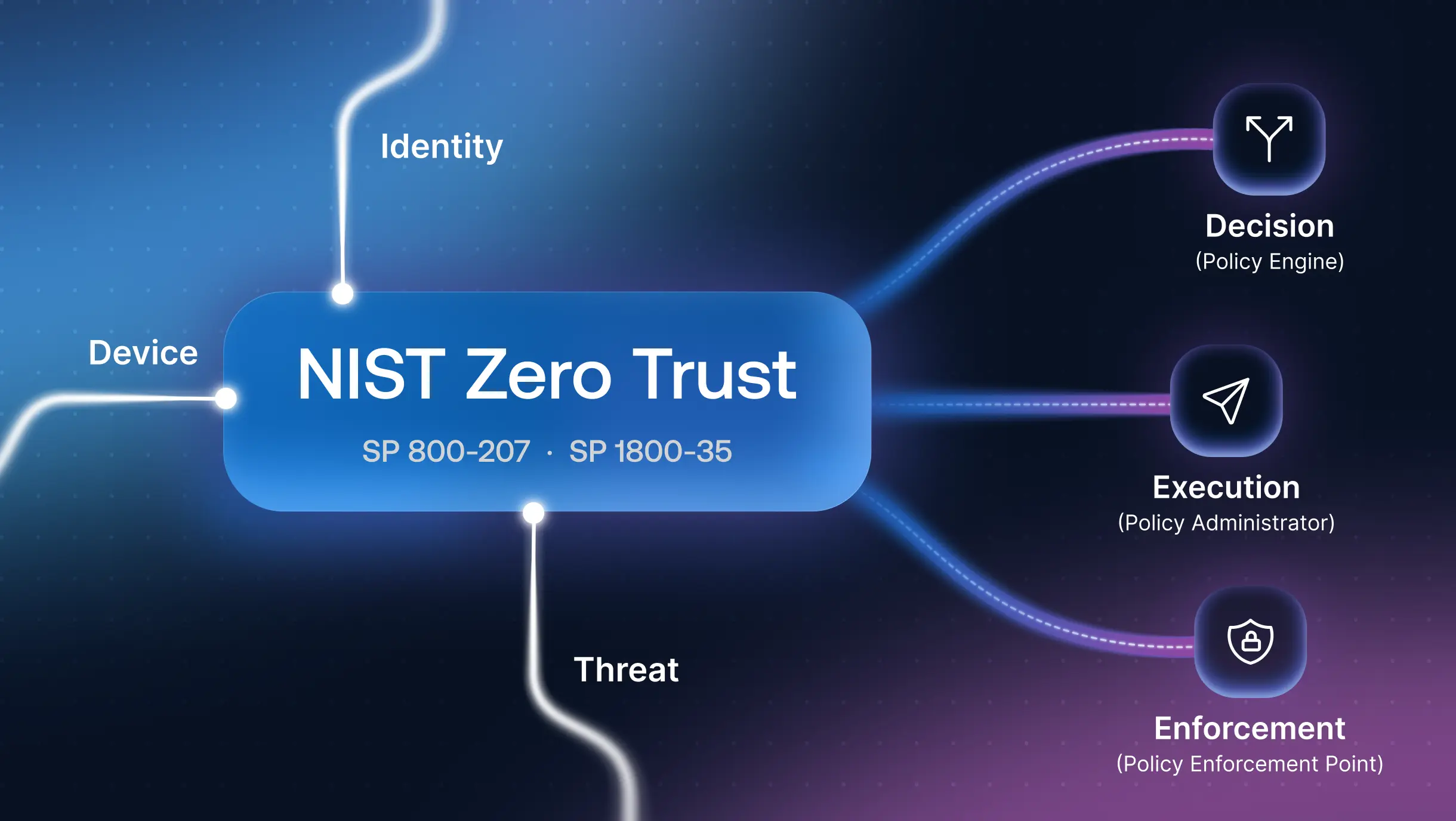
NIST Zero Trust Architecture: A Practical Guide
NIST zero trust architecture is a vendor-neutral security model that evaluates every access request using identity, device posture, and context instead of network location. SP 800-207 defines the model, and SP 1800-35 tests it through 19 implementations built with 24 vendors. This guide explains the reference components, how trust decisions are made, and what NIST's own builds revealed about integration gaps. It also covers the blind spot most programs miss: shared devices and frontline workers, where healthy endpoints can hide unverified users.


Security challenges and predictions for 2026
The blog explains how cyber threats are rapidly evolving, highlighting rising ransomware, supply chain and phishing attacks, growing risks from AI‑driven threats, and insecure IoT devices, while also discussing both the promise and privacy challenges of biometric authentication and physical access control, and urging organizations to adopt strong, proactive cybersecurity measures.


Why Cybersecurity Is Now a Top Priority for Everyone
The ever-evolving landscape of cyber threats is becoming increasingly challenging, particularly for businesses trying to remain competitive in today’s economy. Cyberattacks come in a variety of forms, ranging from basic malware to sophisticated, targeted attacks. This heightened complexity can have serious consequences for both organizations and individuals alike.

Decoding GDPR and its role in access management
This blog explores the General Data Protection Regulation (GDPR) and its significance in data protection and access management. It explains key GDPR features like data minimization, access control, and identity governance while detailing their impact on organizational data security and compliance. Learn how implementing strong access management systems ensures GDPR adherence, reduces breach risks, and enhances privacy protection.
OLOID completes SOC 2 Type II certification
OLOID has successfully achieved SOC 2 Type II certification, affirming its commitment to the highest standards of data security and privacy. The certification process, conducted by independent auditors, tested OLOID’s controls over an extended period to validate their effectiveness across security, availability, confidentiality, and integrity. Learn what SOC 2 Type II certification entails, how OLOID met these rigorous standards, and why this milestone strengthens trust with its customers.

7 Steps to ensure data protection and privacy of your employees
This blog explores the essential steps employers must take to protect the data and privacy of their employees, especially in an era of remote work and rising cyber threats. It outlines seven practical strategies, including securing IT systems, using VPNs, protecting home networks, and implementing robust authorization measures. Learn actionable methods to create stronger data policies, safeguard sensitive information, and foster a workplace culture committed to cybersecurity.

How to avoid cybersecurity breaches?
This blog explores the topic of how to avoid cybersecurity breaches in today’s digital world. Learn about the causes behind security breaches, common attack methods like phishing, and the latest cybersecurity trends with supporting statistics. The article provides practical steps and expert tips on protecting sensitive data, strengthening passwords, regular technology audits, training employees, and implementing essential measures like encryption and firewalls to help individuals and organizations stay secure.

Making every day-in-the-life of frontline workers frictionless & secure!
Get the latest updates! Subscribe now!
