



Identity & Access Management
Articles on managing identity and access across complex, shared-device environments.
.webp)
Featured
What is Privileged Identity Management (PIM)?
Privileged identity management (PIM) governs the lifecycle of elevated access roles: who holds them, under what approval, and for how long. This guide covers how PIM differs from PAM and IAM, how the role lifecycle works from request through automatic revocation, and why PIM breaks down in shared-device and frontline environments where multiple workers share terminals. It covers compliance requirements under HIPAA, PCI DSS, SOC 2, and NIST 800-53, and explains what individual-level attribution actually requires at the point of access. Practical best practices and a phased starting point are included.

.webp)
What Is Public Key Infrastructure (PKI)? Benefits, Components & Best Practices
Public Key Infrastructure (PKI) is building digital trust by verifying identities, encrypting data, and securing every communication. This blog explains PKI’s core components, working process, and key benefits, while addressing implementation challenges. Learn how PKI supports compliance, enhances authentication, and ensures security.


Evolution of Physical Access Control Systems in the last 20 years
The post explores how access control has transformed from traditional locks and keys to advanced biometric and cloud-based technologies. It outlines major advancements such as smart systems, AI integration, and mobile-based access while highlighting key trends shaping modern security.Gain insights into how these innovations enhance security, flexibility, and convenience while also addressing emerging challenges like cybersecurity and privacy.
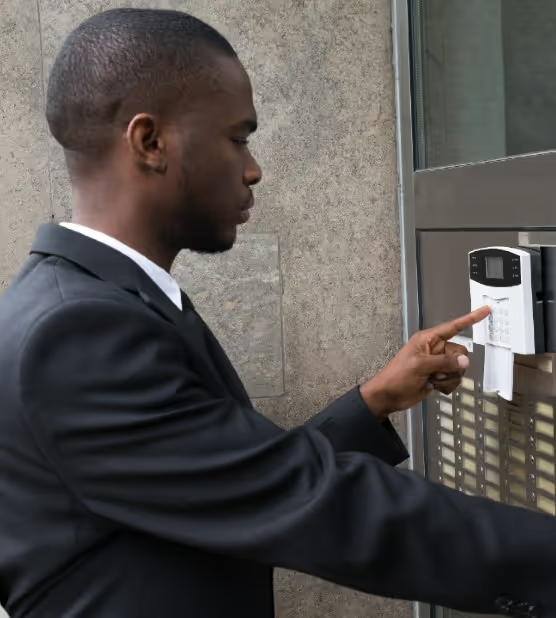
Factors that drive the physical access control market
The physical access control market is rapidly growing due to rising security concerns, regulatory compliance, remote work, and technological advancements. Modern systems now integrate with AI, IoT, mobile devices, and cloud platforms, offering customizable, cost-effective, and scalable solutions. As organizations seek tighter control over both digital and physical spaces, physical access control has become essential for ensuring safety, privacy, and operational efficiency across sectors.

What are the benefits of cloud-based access control?
Cloud-based access control systems offer a secure, flexible, and cost-effective way to manage physical access across locations. Unlike traditional systems, they require no on-site servers or heavy IT investment. Businesses can manage user access remotely, receive automatic updates, and integrate with other enterprise tools like HR systems. These systems improve scalability, security, and ease of use—making them ideal for both SMBs and large enterprises. Companies like OLOID provide modern solutions with biometric authentication, encryption, and regulatory compliance.
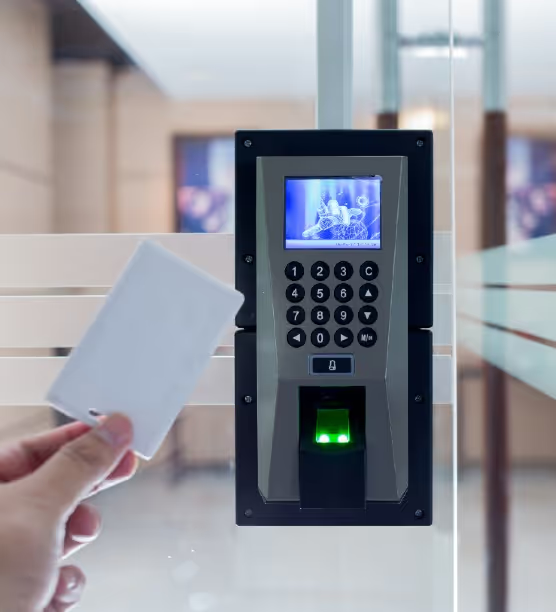
An overview: Cost of installing an access control system
This blog explores the various costs involved in installing an access control system and how those costs differ based on an organization’s size, needs, and level of security. It provides a detailed breakdown of expenses related to hardware, software, installation, and maintenance, while explaining how factors like system type, integration, and customization influence pricing. Gain clear insights into budgeting for access control installation and learn how solutions like Oloid’s retrofit options can help reduce costs.

How to Create an Effective Physical Access Control Policy (Best Practices)
A physical access control policy defines how access to buildings, rooms, and sensitive areas is authorized, monitored, and enforced within an organization. In this blog, you will learn the importance of having a well-defined policy, its core elements such as roles, permissions, and authentication methods, and practical tips to manage physical access efficiently. The article also covers best practices to strengthen security, reduce unauthorized entry, and maintain compliance across facilities.
10 Types of physical access control systems
This post provides a comprehensive overview of the top ten types of physical access control systems used to secure buildings and sensitive areas, highlighting their key features and benefits. It will explain how these systems work, their customization potential, and their roles in safeguarding assets across various industries.

Physical Security vs Cybersecurity: Key Strategy Differences
This post explores the differences between physical security and cybersecurity, highlighting how both are essential for protecting an organization’s assets. It outlines the unique strategies, challenges, and execution methods for each, while emphasizing the need for integrated approaches as threats become increasingly interconnected. Gain insights into how converging physical and digital security systems can improve identity management, threat detection, access control, and overall workplace safety.
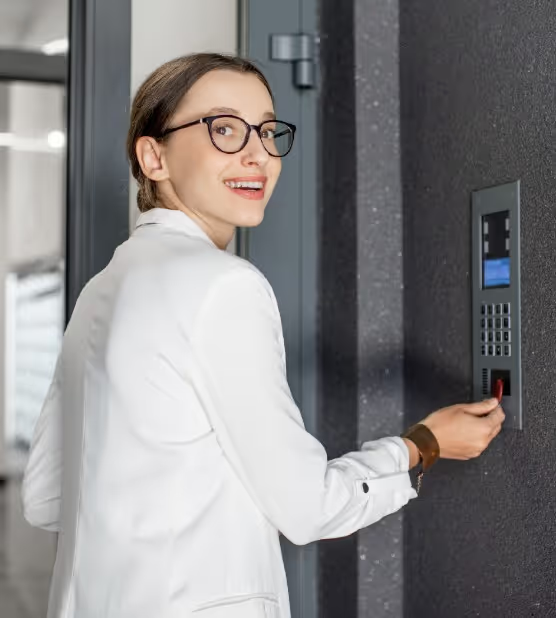
Retrofit vs Replace: Best Approach for Access Control Systems
This article explores the decision between retrofitting or replacing access control systems, helping organizations choose the best approach for their security needs. Learn about the advantages and disadvantages of both strategies, including cost, convenience, and when each option makes sense. The post provides practical guidance and key considerations for evaluating current systems and planning future upgrades.

What Is Identity and Access Management (IAM)? A Detailed Guide
Struggling with rising cyber threats, password fatigue, and complex access across cloud and legacy systems? This guide breaks down Identity & Access Management (IAM) essentials, benefits, challenges, and best practices to help you secure identities and streamline access with confidence. Discover modern IAM strategies like Zero Trust, passwordless authentication, and governance models to future-proof your security.
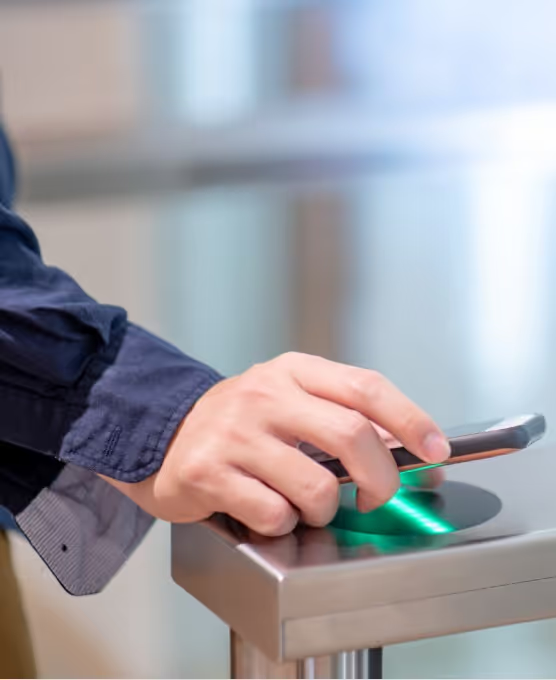
5 Years of Game-Changing Access Control Innovations
The blog explores how the access control industry has evolved rapidly over the past five years, transforming physical and digital security worldwide. It highlights groundbreaking technologies such as mobile access, cloud-based security, biometrics, AI, and the Internet of Things that are redefining how people manage and experience secure entry. Gain insights into emerging trends, innovations driving the future of security, and how businesses can adapt to a more connected, intelligent access ecosystem.

Can the adoption of digital identity control security breaches?
Driven by decentralization, cloud usage, and remote work, digital transformation and the subsequent evolution of identity in the workplace have revealed that identity and access management has outgrown traditional security measures and offers significant threats. To protect workers and businesses, companies need identity-focused security systems that can quickly and easily adapt to changing threats.

Why SMEs Should Opt for Mobile Access Control Systems/Solutions
This blog discusses why small and medium-sized enterprises (SMEs) should consider adopting mobile access control solutions for their security needs. Learn about the key technologies, advantages such as security, convenience, and scalability, and best practices for choosing the right solution. The article also outlines how these systems can save costs, improve management, and seamlessly integrate with existing infrastructure for growing businesses.

Making every day-in-the-life of frontline workers frictionless & secure!
Get the latest updates! Subscribe now!
