




About
Rahul Mathew is the Head of Marketing at OLOID, where he leads global marketing initiatives focused on brand strategy, digital transformation, and customer engagement. With over a decade of experience in technology-driven companies, Rahul drives innovation at the intersection of identity, security, and automation—helping organizations streamline access and workplace experiences through AI-powered solutions. His leadership combines creative vision with data-driven execution to accelerate growth and brand recognition.
Usually writes about
Compliance Verifies Policies, Not the People Behind the Login
Compliance frameworks like HIPAA, FDA 21 CFR Part 11, and SOX all rest on one assumption: every access event traces to a specific individual. Shared credentials in frontline environments quietly break that assumption while producing logs that look clean. This post unpacks the gap between access logged and person accountable, and what it takes to close it in shared-device environments.
Salesforce Phishing-Resistant MFA 2026: Entra ID, AMR Signals, and How to Stay Compliant
Salesforce now enforces phishing-resistant MFA for privileged users across direct and SSO logins, and organizations on Microsoft Entra ID are running into a specific failure: users who completed MFA at Entra are being challenged again inside Salesforce because the token did not carry the right AMR signal. This blog covers what changed in 2026, how Salesforce evaluates AMR and ACR values, why the multipleauthn retirement blocked users mid-month, and how OLOID Face registered as an Entra External Authentication Method delivers the face AMR value Salesforce requires, with no hardware, no per-device enrollment, and no changes to your existing SSO configuration.
How to Choose the Right 2FA Tools for Enterprise Security
Two-factor authentication tools add a second verification layer beyond passwords, but not all methods protect equally against how attacks work today. MFA fatigue, SMS interception, and adversary-in-the-middle phishing kits bypass the most commonly deployed 2FA methods. This guide covers how 2FA methods rank by phishing resistance, what NIST and compliance frameworks actually require, where standard tools fail in shared-device and frontline environments, and what to ask before selecting a provider.

Time-Based One-Time Password (TOTP): The Complete Guide to Secure Authentication
Time-Based One-Time Password (TOTP) generates temporary authentication codes that expire within 30-60 seconds. Organizations use TOTP to secure access without relying on vulnerable SMS-based verification methods. This guide explains technical implementation, security advantages, and deployment strategies for enterprise environments.
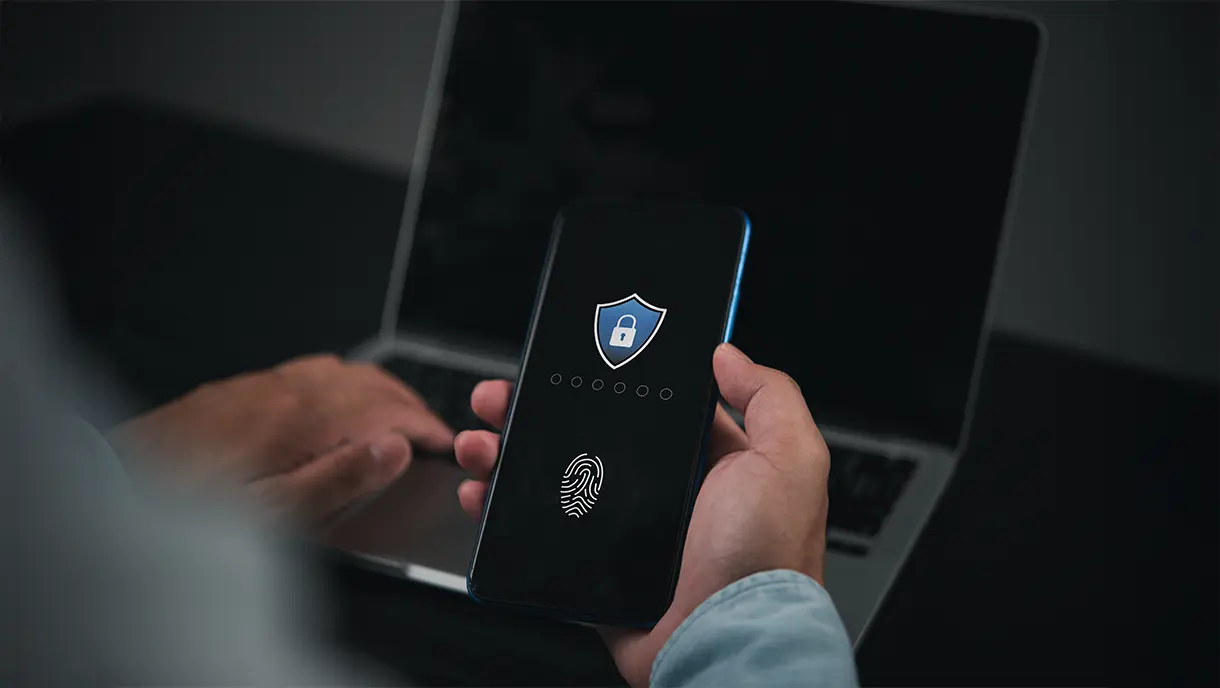
Mobile Authentication Explained: Methods, Benefits, and Secure Login Best Practices
Mobile authentication uses smartphones as primary verification devices, replacing traditional password-based login systems. Organizations deploy biometrics, passkeys, push notifications, and device-bound credentials for secure access. This blog explains how mobile authentication works, compares security methods, and provides implementation strategies. Learn the best practices, use case recommendations, and security considerations for deploying mobile-first authentication across enterprise environments.
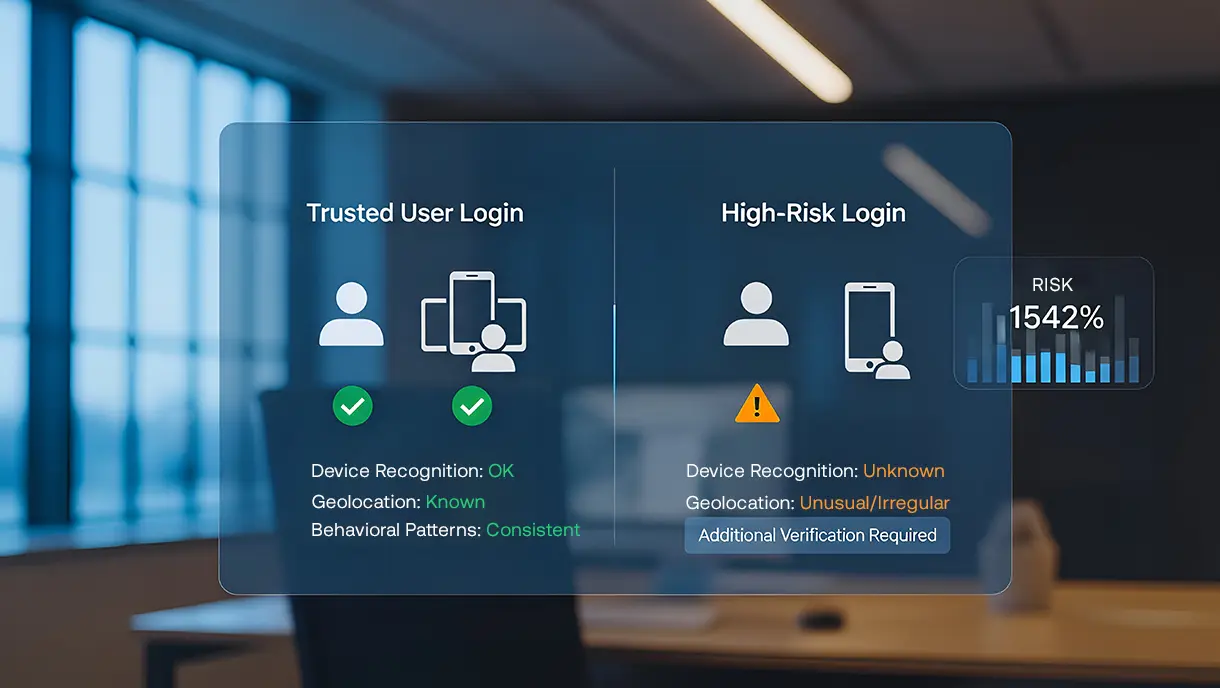
What Is Risk-Based Authentication? Benefits, Use Cases & How It Works
Risk-based authentication evaluates threat indicators and user behavior patterns before enforcing authentication requirements. Traditional static authentication applies the same verification regardless of the actual risk levels. This guide explains how risk-based systems calculate scores, analyze signals, and make dynamic decisions. Learn implementation strategies, regulatory compliance requirements, and best practices for deploying intelligent, risk-aware authentication.

Making every day-in-the-life of frontline workers frictionless & secure!
Get the latest updates! Subscribe now!
