




Commercial Property Owner's Guide to Enhancing Tenant Experience
This blog discusses how property owners can improve satisfaction, retention, and reputation by focusing on tenant needs. It explores actionable strategies such as maintaining buildings, offering modern amenities, ensuring safety and accessibility, and strengthening communication. Gain insights into creating a thriving and profitable property environment by prioritizing tenant comfort and engagement.

Commercial property owners are responsible for ensuring their tenants have a positive experience in their buildings. Providing a great tenant experience is essential for tenant satisfaction and retention, attracting new tenants, and maintaining a good reputation in the industry.
Understand Your Tenants' Needs
Understanding your tenants' needs is the first step in providing a great tenant experience. By doing so, commercial property owners can tailor their services and amenities to meet those needs, which leads to greater tenant satisfaction.
When commercial property owners understand the needs of their tenants, they can make informed decisions about how to serve them best. This leads to greater tenant satisfaction and improved tenant retention rates. It also helps attract new tenants by offering services and amenities in demand.
Gathering feedback from tenants is essential in understanding their needs. There are various ways to gather feedback, such as surveys, focus groups, and one-on-one conversations. It is important to create an open and honest environment for tenants to share their thoughts and concerns.
Some common tenant needs include responsive building management, maintenance and repairs, access to amenities, and clear communication channels. Commercial property owners can address these needs by offering responsive customer service, maintaining a clean and safe environment, and providing amenities such as fitness centers, conference rooms, and parking.
Invest in Building Maintenance
Maintaining a commercial property is crucial for providing a great tenant experience. Tenants expect a clean, safe, and well-functioning building, and failure to maintain the property can lead to tenant dissatisfaction and even legal issues.
Regular maintenance and repairs keep the building functioning properly and can prevent larger problems down the line. It also shows tenants that the property owner is invested in their comfort and safety, which leads to greater tenant satisfaction and retention rates.
To keep your building in top condition, it's important to establish a regular maintenance schedule and stay on top of any repairs. Consider hiring a professional property management company or in-house maintenance team to handle these tasks. Regular inspections and preventative maintenance can also help identify and address issues before they become larger problems.
Common building maintenance issues include HVAC malfunctions, plumbing problems, and electrical issues. These issues can be addressed by hiring licensed professionals to repair or replace faulty equipment. In addition, maintaining clean common areas and promptly addressing any safety hazards is important.
Offer Amenities and Services
Offering amenities and services is another important aspect of providing a great tenant experience. These offerings can vary depending on the property and tenant needs, but they can help attract and retain tenants. Amenities and services can help differentiate your property from others in the market and increase tenant satisfaction. They can also help attract new tenants and retain existing ones by providing conveniences and benefits that are in demand.
Some examples of amenities and services that commercial property owners can offer include fitness centers, conference rooms, parking, on-site food and beverage options, and concierge services. It's essential to consider tenant needs and preferences when selecting amenities and services.When choosing amenities and services, it's important to consider your target demographic and tenant needs. Conducting surveys or focus groups can help gather feedback on what tenants are looking for. It's also important to consider the cost and feasibility of offering these amenities and services.
Provide Easy Access and Security
Providing easy access and security is essential for creating a safe and comfortable tenant environment. Therefore, commercial property owners must take proactive measures to ensure tenants can access their buildings easily and securely. Tenants expect to feel safe and secure when accessing their building. Providing a secure environment also protects the building and its assets from theft, vandalism, or other criminal activity.
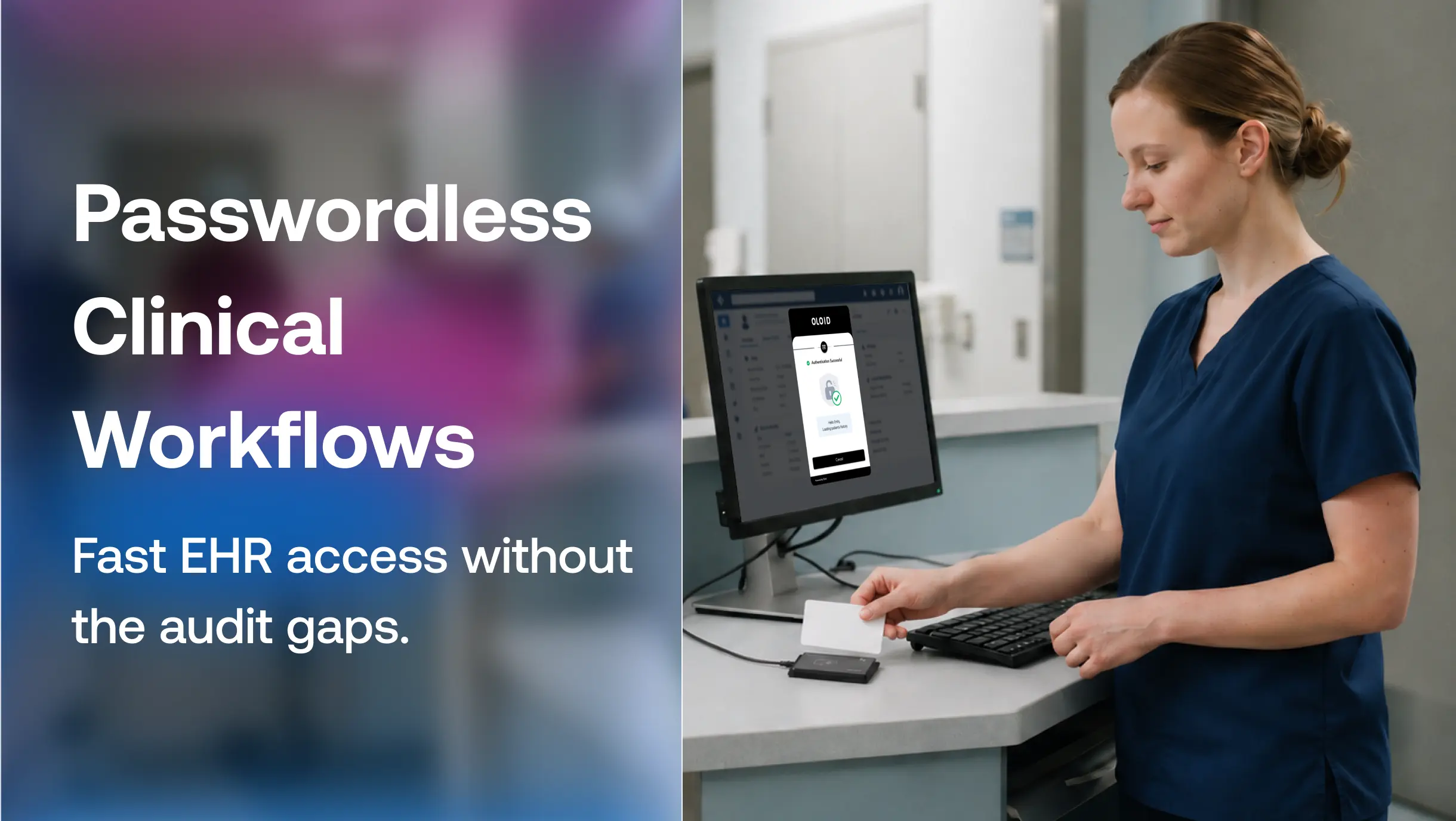
Property owners can consider implementing security measures such as access control systems, security cameras, and alarms to improve access and security. It's also important to have a system for granting and revoking access to the building, such as issuing access cards or fobs. Proper lighting and clear signage can also improve access and safety.
Common access and security issues include unauthorized access to the building, lack of proper lighting, and outdated security systems. These issues can be addressed by implementing access control systems, upgrading lighting, and installing newer security systems. In addition, regularly reviewing security protocols and conducting security audits can help identify and address potential issues.
Communication Is Key
Effective communication between commercial property owners and tenants is crucial for maintaining a positive tenant experience. It allows property owners to stay connected with their tenants and address any concerns or issues that may arise. Effective communication can increase tenant satisfaction and retention rates. It allows tenants to feel heard and understood, which can foster a positive relationship between tenants and property owners. It also enables property owners to respond quickly to issues or concerns, preventing them from escalating into larger problems.
To communicate effectively with tenants, it's important to establish regular communication channels such as email, phone, or online messaging platforms. Responding promptly to tenant inquiries or concerns is also crucial. In addition, regularly sending newsletters or updates on building maintenance and improvements can keep tenants informed and engaged.
Some effective communication strategies include providing a tenant handbook with important information, scheduling regular check-ins or meetings with tenants, and conducting tenant satisfaction surveys to gather feedback. It's also important to have a clear and transparent process for addressing tenant concerns or issues.
Conclusion
Providing a great tenant experience is essential for commercial property owners. A positive tenant experience can increase tenant satisfaction and retention rates, improve the reputation of the property, and ultimately lead to higher profits.
By implementing the tips and strategies, commercial property owners can create a safe and comfortable environment for their tenants. Regularly gathering feedback from tenants and addressing their concerns, maintaining the building's physical appearance, offering amenities and services, improving access and security, and maintaining open communication channels are all crucial steps commercial property owners can take to create a great tenant experience.
Commercial property owners who prioritize tenant satisfaction and continuously strive to improve the tenant experience are more likely to attract and retain high-quality tenants. This, in turn, can lead to higher profits and a better reputation in the real estate market.
We encourage commercial property owners to implement the tips and strategies discussed in this guide and prioritize the tenant experience. Doing so can create a positive and thriving environment for their tenants and their business.


Get the latest updates! Subscribe now!

